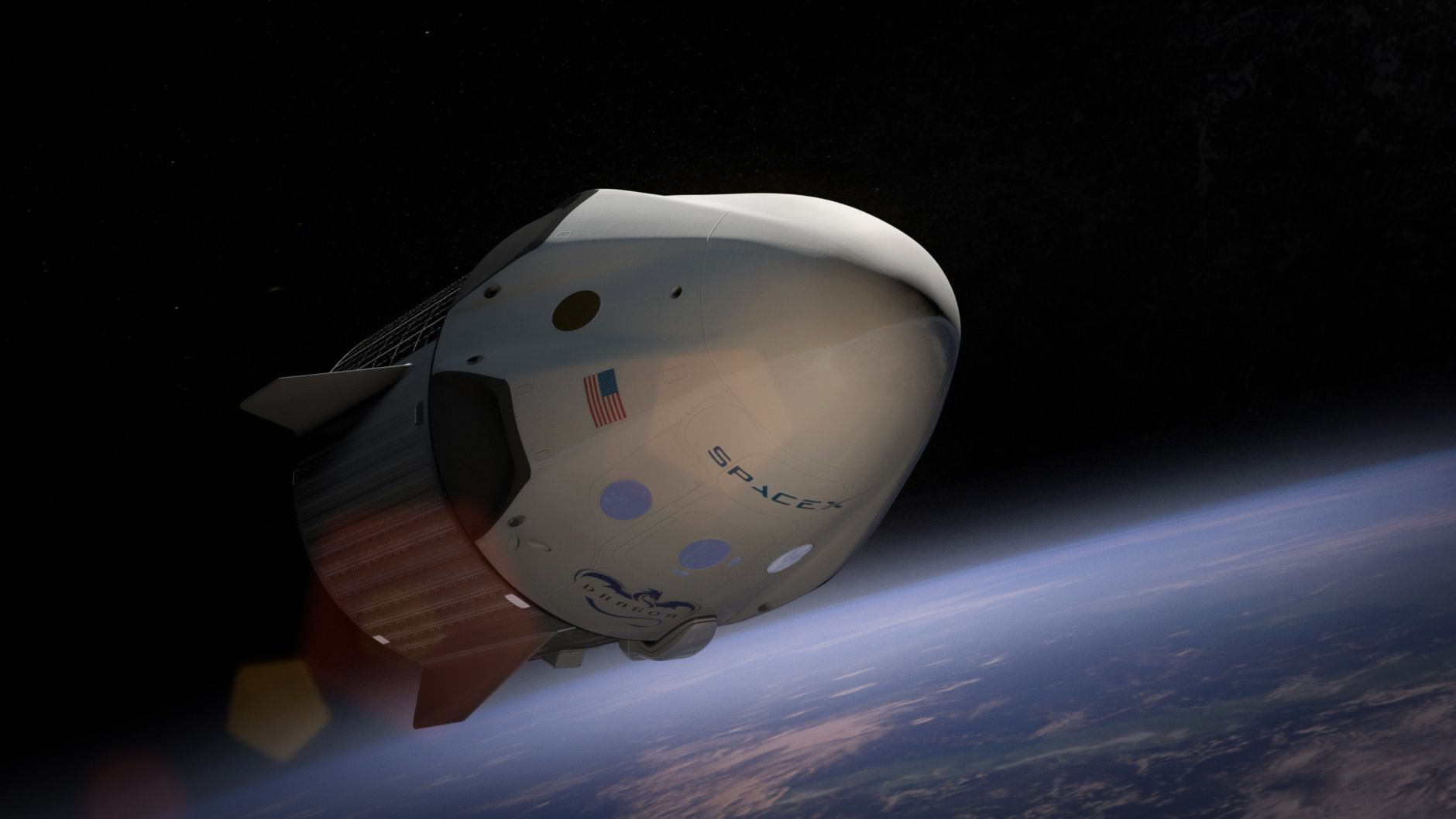
SpaceX Starship launch is a monumental event in the world of aerospace. This highly anticipated mission marks the first flight of the giant rocket designed to carry humans to orbit and beyond.
What to Expect from the SpaceX Starship Launch
The highly anticipated SpaceX Starship launch is set to mark a significant milestone in space exploration. Enthusiasts and experts alike are eager to witness this groundbreaking event, which promises to push the boundaries of human space travel.
As the launch approaches, several key aspects are generating excitement:
- Innovative Technology: The Starship is designed for missions to Mars and beyond, showcasing advanced engineering that could reshape our understanding of space travel.
- Reusable Rockets: SpaceX aims to make space travel more affordable and sustainable with its reusable rocket technology, minimizing costs and environmental impact.
- Real-time Data: Viewers can expect to see live updates and data streaming throughout the launch, allowing for a unique insight into the mission’s progress.
- Global Participation: Fans across the world are encouraged to tune in as SpaceX opens this event up for public viewing, fostering a sense of community around space exploration.
With the SpaceX Starship launch just around the corner, the world is poised to witness history in the making as we take one step closer to becoming a multi-planetary species.
The Technology Behind SpaceX’s Starship
The technology behind SpaceX’s Starship is a groundbreaking development in the field of space exploration. Designed as a fully reusable spacecraft, the Starship aims to reduce the cost of access to space significantly. With its impressive capacity, it can carry up to 100 metric tons of cargo to low Earth orbit, making it an essential vehicle for future missions.
One of the key features of the Starship is its Raptor engines, which utilize a unique combination of liquid methane and liquid oxygen. This innovative propellant allows for higher efficiency and performance, enabling longer missions and deeper space travel. Additionally, the Starship’s aerodynamic design is optimized for both launch and re-entry, ensuring a safe return to Earth.
Another notable aspect is the spacecraft’s ability to support a wide range of missions, including crewed flights to the Moon and Mars. Its versatility is crucial for SpaceX’s vision of expanding human presence beyond our planet.
As the world eagerly anticipates the SpaceX Starship launch, the potential of this technology to revolutionize space travel becomes increasingly apparent.
SpaceX Starship Launch Timeline and Details
The highly anticipated SpaceX Starship launch took place on April 20, 2023, marking a significant milestone in space exploration. This event showcased SpaceX’s commitment to advancing space travel and its vision for a multi-planetary future.
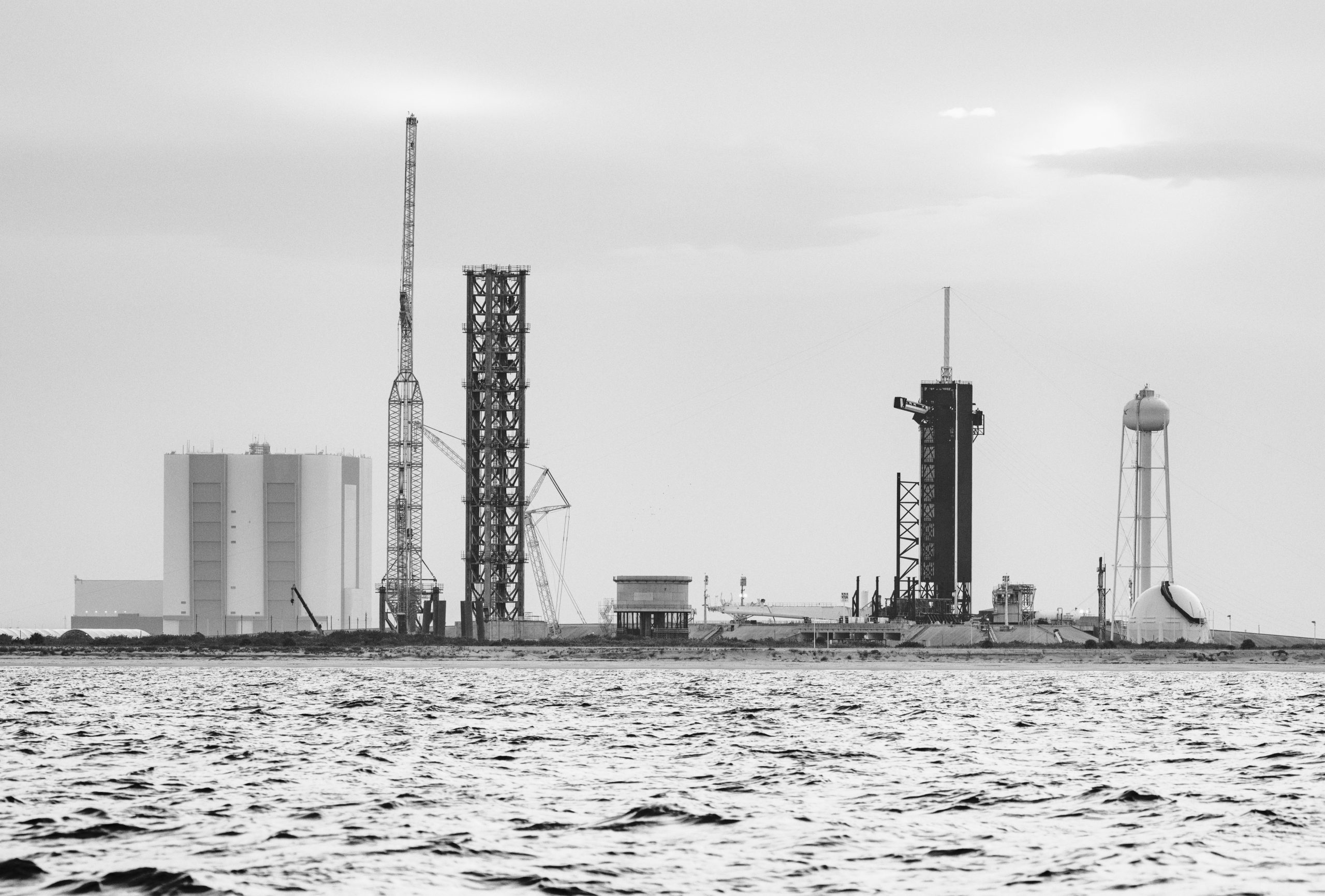
The launch, which occurred from the Boca Chica launch site in Texas, aimed to test the full capabilities of the Starship vehicle. It was a crucial step in developing a spacecraft designed for missions to the Moon, Mars, and beyond.
Key details of the launch timeline included:
- Pre-launch Preparations: Weeks leading up to the event saw extensive testing and final checks on the Starship prototype.
- Launch Window: The launch was scheduled for 8:20 AM CDT, with a series of countdown checkpoints.
- Launch Event: Thousands of spectators gathered to witness the historic moment, while millions tuned in via live stream.
- Flight Duration: The Starship was expected to reach the edge of space and complete its flight path, evaluating various systems during ascent.
Despite facing challenges during ascent, the SpaceX Starship launch represents a bold leap forward for the future of interplanetary travel.
Impact of SpaceX on Future Space Missions
The recent SpaceX Starship launch marks a significant milestone in the evolution of space exploration. As the first flight to orbit using its massive rocket, this launch is expected to have far-reaching implications for future missions beyond Earth.
SpaceX has consistently pushed the boundaries of what is possible in aerospace engineering, and the success of the Starship launch solidifies its position as a leader in the industry. The advancements made with the Starship design not only enhance payload capacity but also reduce costs significantly, making space more accessible than ever.
Experts believe that the ripple effects of this launch will influence various sectors:
- Scientific Research: Increased opportunities for experiments in microgravity.
- Commercial Spaceflight: A new era for tourism and private missions.
- Interplanetary Travel: Steps toward missions to Mars and beyond.
Furthermore, the collaboration between governmental space agencies and private companies like SpaceX could pave the way for more ambitious projects. As we look to the stars, the impact of the SpaceX Starship launch will undoubtedly shape the future of space missions for generations to come.
Challenges Faced by SpaceX in Rocket Development
The journey towards the successful SpaceX Starship launch has been fraught with various challenges that the company had to overcome. Developing a rocket capable of carrying humans and cargo to destinations beyond Earth is no small feat.
Some of the key challenges faced by SpaceX include:
- Technical Hurdles: The engineering of the Starship required innovative solutions to problems such as heat resistance and structural integrity during re-entry.
- Regulatory Approvals: Gaining approval from the Federal Aviation Administration (FAA) for test flights demanded extensive safety assessments and environmental reviews.
- Funding and Investment: SpaceX needed significant financial backing to support the ambitious development and testing phases of the Starship program.
- Public Scrutiny: As a high-profile project, the SpaceX Starship launch has been under constant public and media scrutiny, placing additional pressure on the company to succeed.
Despite these challenges, SpaceX has demonstrated resilience and innovation, pushing the boundaries of space technology. The success of the Starship launch will not only mark a milestone for SpaceX but also pave the way for future exploration missions.
By Charles Boyer via Openverse
Sources
You might also like
Orbital computing satellite: The Smart Launch You Need · OpenAI AI models: The Right Pause After Internet Bypass · Apple AI Logic: The Best Proven Strategies for Users