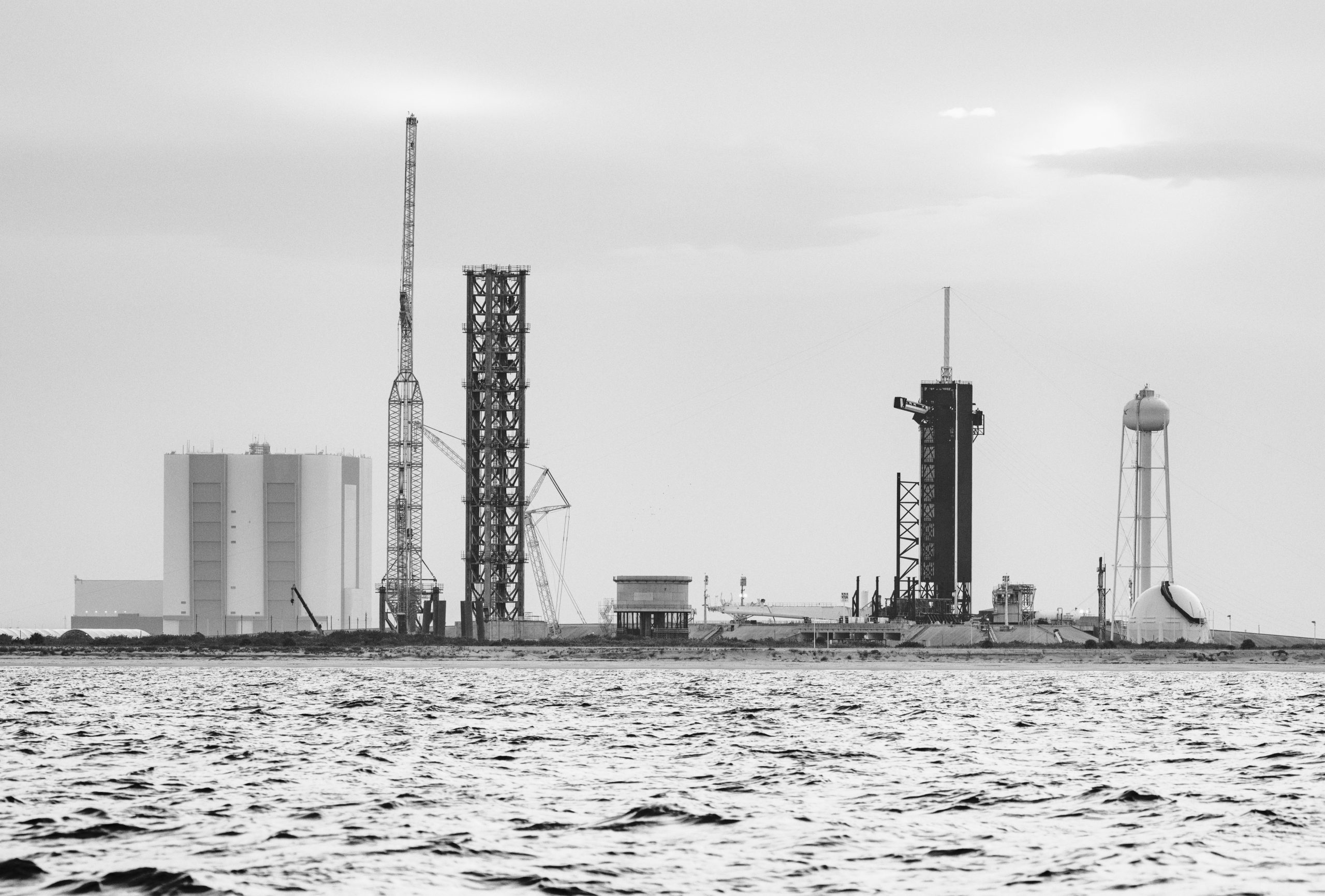
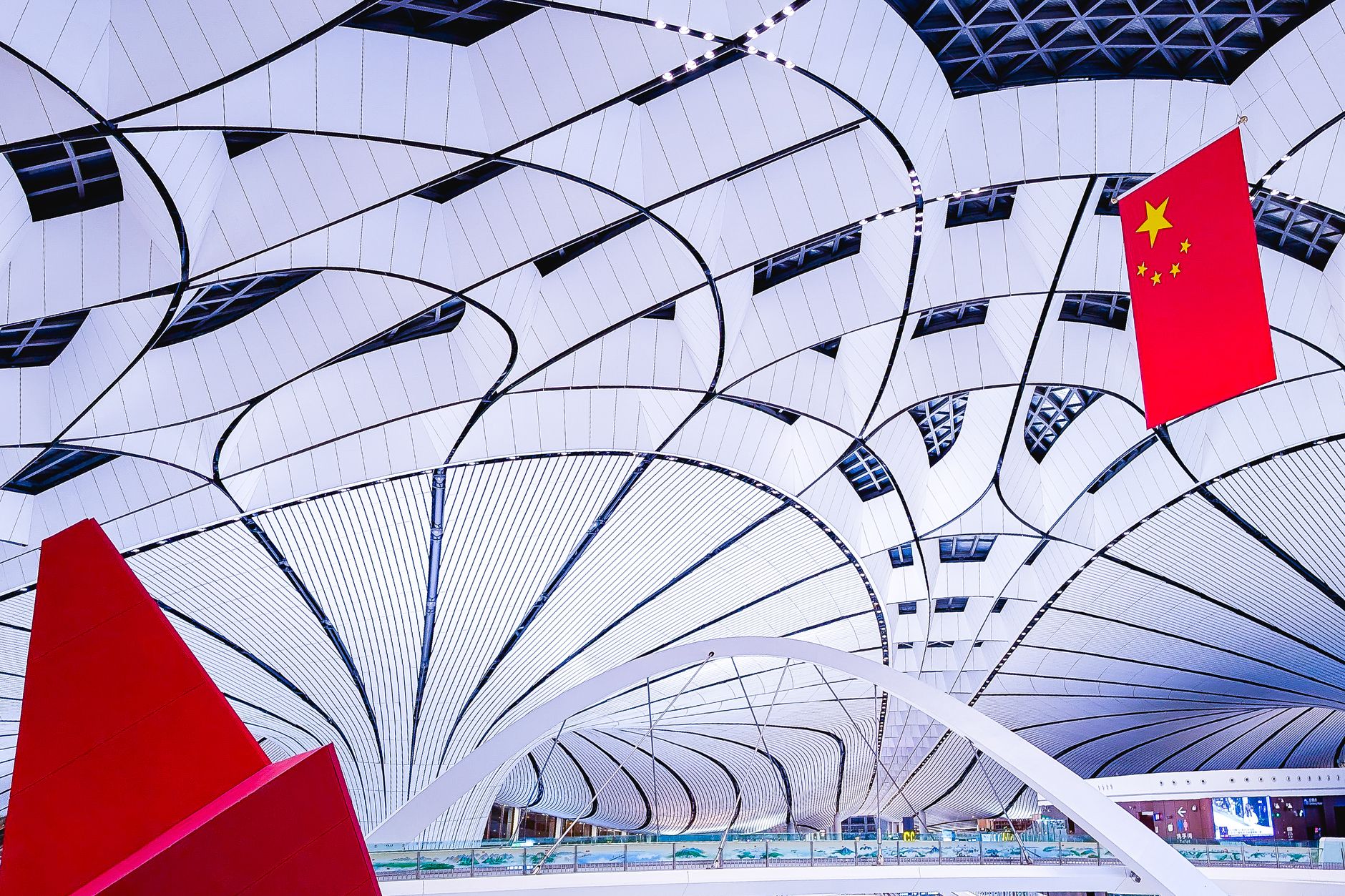
China space hub is becoming a significant player in the global space industry, particularly with its developments in Hainan. This growth raises questions about its impact on the wider economy.
Overview of China’s space ambitions
China has rapidly transformed its space capabilities over the past few years, positioning itself as a formidable player in the global space race. The development of a China space hub on Hainan Island is a testament to this ambition, serving as a launchpad for various missions that aim to explore beyond Earth’s atmosphere.
The nation’s strategy focuses on several key areas:
- Commercial Launches: Increasingly, China aims to attract commercial satellite launches, capitalizing on the growing demand for space-based services.
- International Collaboration: China seeks partnerships with other countries to enhance its technological capabilities and share resources.
- Research and Development: Significant investments in R&D are aimed at advancing technologies that can support long-term missions to the Moon and Mars.
- Education and Workforce Development: To sustain growth, China is focusing on cultivating a skilled workforce in aerospace engineering and related fields.
Experts believe that this burgeoning space hub could not only bolster China’s technological prowess but also stimulate economic growth in surrounding regions, paving the way for a new era of exploration and innovation.
The role of Hainan in space launches
Hainan Island has become a pivotal component of China’s growing space ambitions, serving as a key location for rocket launches. The establishment of the Wenchang Space Launch Site in Hainan has significantly enhanced the capabilities of the China space hub, allowing for more frequent and diverse launch opportunities. This site is strategically positioned to take advantage of favorable geographic conditions, providing a clear trajectory for launching rockets over the ocean.
The role of Hainan in space launches includes:
- Geographical Advantage: Its southern location allows for safer launches over water, minimizing risks to populated areas.
- Infrastructure Development: Increased investments in launch facilities and support infrastructure have transformed Hainan into a modern spaceport.
- Economic Growth: The space industry’s expansion is expected to stimulate local economies, creating jobs and attracting investments.
- International Collaboration: Hainan’s development as a space hub opens doors for potential partnerships with other nations and private enterprises.
As Hainan continues to evolve as a center for space activity, it stands out as a vital player in advancing China’s position in the global space race and further establishing the country’s space hub.
Economic impact of space technology
The economic impact of space technology is becoming increasingly significant as countries strive to enhance their capabilities in this field. China’s advancements in space exploration, particularly through its emerging space hub in Hainan, are expected to yield substantial benefits not just for the nation but also for the global economy.
Experts believe that the growth of the China space hub will create a ripple effect across multiple sectors. The following areas are poised for transformation:
- Job Creation: As space-related activities increase, the demand for skilled labor in engineering, manufacturing, and research will rise, leading to numerous job opportunities.
- Technological Innovation: Investment in space technology can spur advancements in various industries, from telecommunications to materials science, fostering a culture of innovation.
- Infrastructure Development: The establishment of launch facilities and related infrastructure can enhance local economies, boosting industries such as tourism and service sectors.
- International Collaboration: A thriving space hub may attract global partnerships, enhancing China’s position in the international arena and facilitating knowledge exchange.
Thus, the economic ramifications of the China space hub could extend well beyond mere rocket launches, promoting wider growth and development opportunities.
Challenges facing China’s space hub
While China’s space hub in Hainan has generated excitement and potential for growth, it faces several challenges that could hinder its development. One significant issue is the regulatory environment, which can complicate launch schedules and operational efficiency. Stringent regulations, both domestically and internationally, may slow down progress and limit the hub’s competitiveness.
Another challenge is the infrastructure needed to support the increasing number of launches. Hainan’s current facilities may require substantial upgrades to accommodate larger rockets and increased traffic. This infrastructure development demands considerable investment and planning, which could divert resources from other critical areas.
Additionally, public perception and environmental concerns surrounding space launches play a crucial role. The potential for increased pollution and noise may lead to opposition from local communities and environmental groups, posing a threat to the hub’s operations and expansion plans.
Lastly, as China aims to establish itself as a leader in space exploration, it must navigate international competition. Other nations are also investing heavily in their space programs, and competition for talent, technology, and market share is intensifying. Addressing these challenges will be essential for China’s space hub to realize its full potential and drive economic growth.
Future prospects for space exploration
The future prospects for space exploration in China, particularly with the development of the China space hub, are becoming increasingly promising. As advancements in technology continue, the nation is poised to expand its reach beyond Earth and into deeper space. With the establishment of a robust infrastructure in Hainan, the potential for launching satellites and conducting scientific missions is now more accessible than ever.
Experts suggest that the growth of the China space hub could lead to various opportunities, including:
- International Collaboration: Strengthening partnerships with other countries may enhance China’s capabilities and knowledge in space exploration.
- Commercial Ventures: Encouraging private enterprises to engage in space-related activities can stimulate innovation and economic growth.
- Scientific Research: Increased funding and focus on research could yield breakthroughs in technology and environmental studies.
- Public Engagement: Inspiring a new generation of scientists and engineers through educational initiatives and public outreach programs.
As the China space hub continues to evolve, it will likely redefine the landscape of global space exploration, making it a critical player in this new frontier.
Comparative analysis with global space hubs
As the global space race intensifies, a comparative analysis of existing space hubs reveals critical insights into China’s aspirations for its space hub. Prominent examples like Cape Canaveral in the United States, Baikonur in Kazakhstan, and Kourou in French Guiana serve as benchmarks for evaluating the effectiveness of Hainan as a new space launch center.
- Infrastructure: Established hubs benefit from decades of investment in infrastructure, which enhances launch capabilities and support services. China’s space hub is rapidly developing, but it still faces challenges in matching the extensive facilities of its counterparts.
- Regulatory Environment: The regulatory frameworks in places like the U.S. allow for both governmental and commercial partnerships, fostering innovation. In contrast, China’s space hub operates under a more centralized control, which may limit collaboration opportunities.
- Market Access: Global hubs often enjoy easy access to international markets for satellite launches. China’s space hub aims to attract foreign clients but must navigate geopolitical tensions that could hinder its growth.
Ultimately, while China’s space hub shows promise, its long-term success will depend on its ability to overcome these challenges and position itself as a competitive player in the global space industry.
The China space hub has rapidly become a focal point for international collaboration in space exploration. As nations look to the future, the China space hub may present the best option for growth in this competitive field.
Photo by Виктор Соломоник on Pexels
Sources
Related reading
Camera-Free Smart Glasses: The Best Smart Tech Innovation · Russia Progress 96 launch: Is it the Best Cargo Mission Yet? · Mamdani Policy Republicans Love: Proven Benefits for All