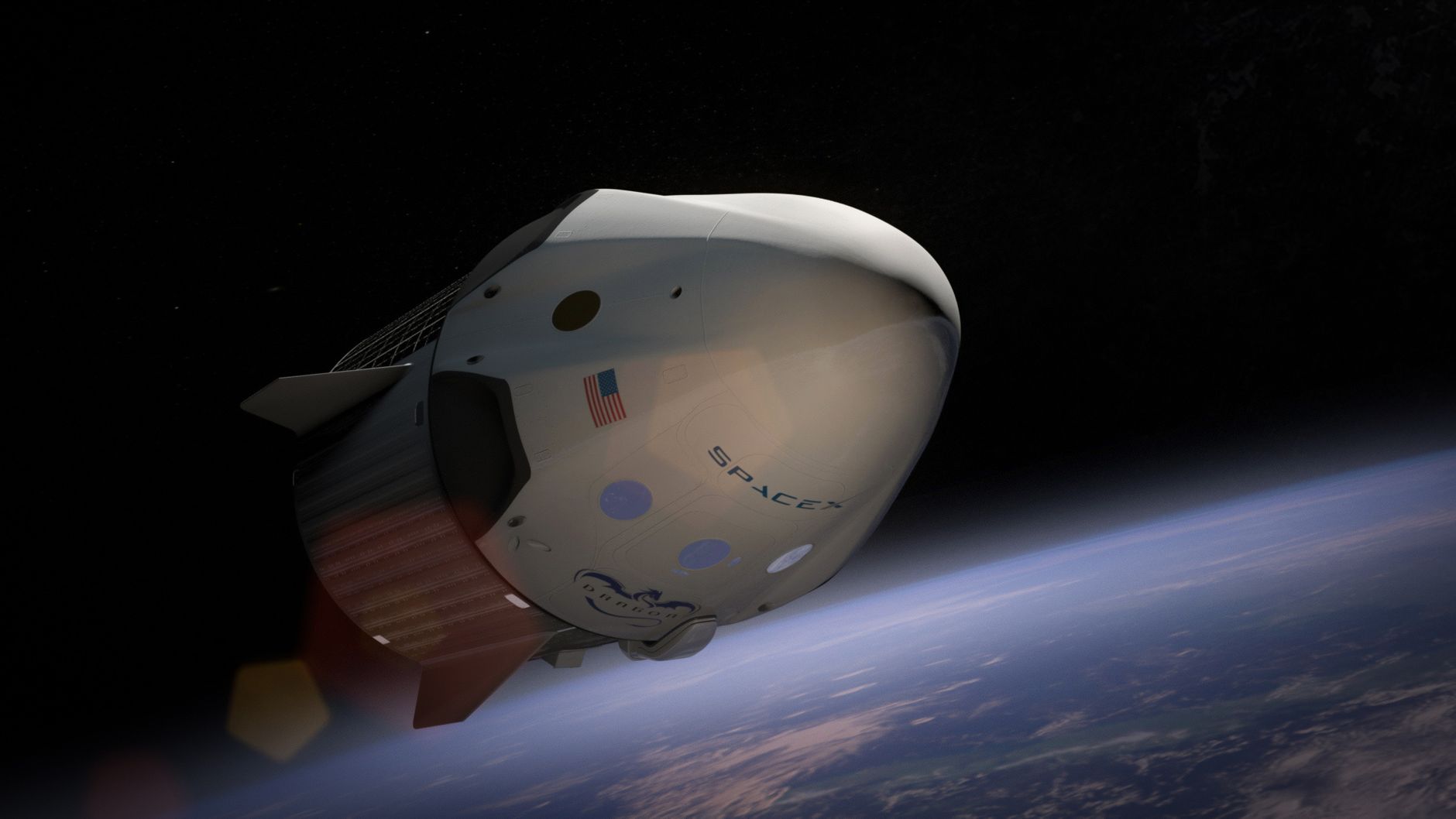

Starlink rival setback occurred when 40 satellites were destroyed in a rocket failure. This incident highlights the risks involved in launching complex satellite systems.
Overview of the Vulcan launch failure
The recent launch of the Vulcan rocket has ended in disaster, marking a significant setback for Amazon’s Starlink rival. The rocket was intended to deploy a batch of 40 satellites, aimed at competing in the burgeoning satellite internet market. However, an anomaly occurred just 10 minutes into the flight, leading to the destruction of the satellites.
This failure is particularly troubling for the company, which has been working to establish itself as a formidable competitor to SpaceX’s Starlink. The loss of such a large number of satellites not only delays their plans but also raises questions about the reliability of their launch systems.
Key details surrounding the incident include:
- The Vulcan rocket launched successfully but encountered issues shortly after lift-off.
- Industry experts are analyzing the failure to determine the root cause.
- This setback comes at a crucial time as competition in the satellite internet sector intensifies.
As the company evaluates the situation, the implications of this setback could resonate throughout the industry, impacting future launches and the overall progress of satellite internet services.
Impact on Amazon’s satellite plans
The recent failure of the Vulcan rocket has dealt a significant blow to Amazon’s plans for its satellite internet service, which is intended to compete with Starlink. With the destruction of 40 satellites, the setback has raised concerns about the timeline and feasibility of Amazon’s ambitions in the burgeoning space internet market.
Amazon’s Project Kuiper was designed to deploy a constellation of low Earth orbit satellites to provide high-speed internet access, particularly in underserved regions. The loss of these satellites means a substantial delay in the deployment schedule that was meant to position Amazon as a strong competitor to SpaceX’s Starlink.
Industry analysts suggest that this setback could have far-reaching implications for Amazon’s market entry, as they now face an uphill battle to recover lost ground. Some potential impacts include:
- Delays in service launch: The timeline for providing satellite internet service may be pushed back significantly.
- Increased costs: The financial burden of replacing the lost satellites could lead to higher overall project costs.
- Competitive disadvantage: Rivals like Starlink may solidify their market leadership during this period of uncertainty for Amazon.
As Amazon navigates this challenge, the future of its satellite internet ambitions remains uncertain.
What caused the anomaly?
A recent launch of the Vulcan rocket ended in disaster, leading to a significant setback for Amazon’s Starlink rival. The anomaly occurred approximately 10 minutes after liftoff, causing the destruction of 40 satellites intended for the Project Kuiper constellation. Preliminary reports suggest that the failure may have been linked to issues with the rocket’s upper stage.
Witnesses reported seeing an unexpected change in trajectory shortly after ignition, raising immediate concerns among the mission control team. Experts believe that the propulsion systems may have malfunctioned, preventing the rocket from achieving the necessary altitude and velocity.
As investigations continue, engineers are working diligently to analyze telemetry data from the flight. This setback poses additional challenges for Amazon, which had plans to compete directly with SpaceX’s Starlink service. With the stakes high in the race for satellite internet dominance, the timing of this incident could delay Amazon’s deployment schedule significantly.
In light of this setback, Amazon is assessing its next steps, including potential adjustments to its technology and launch strategy to mitigate future risks associated with satellite deployments.
Future of satellite launches
The recent failure of the Vulcan rocket has cast a shadow over the future of satellite launches, particularly for Amazon’s satellite internet initiative, Project Kuiper. With the loss of 40 satellites, the company faces significant challenges as it seeks to establish itself as a viable competitor to SpaceX’s Starlink. This setback raises questions about the timeline for Amazon’s deployment of its satellite constellation, which is crucial for providing broadband internet to underserved regions.
Experts in the aerospace industry suggest that the incident could lead to increased scrutiny of launch procedures and engineering practices within Amazon’s space division. Investors are also watching closely, as any prolonged delays in satellite deployment may impact the company’s financial prospects and competitive positioning in the rapidly evolving space market.
Furthermore, the setback could hinder the momentum of satellite launches across the industry. It emphasizes the inherent risks involved in space exploration and the complexities of developing reliable launch systems. As stakeholders evaluate the implications of this event, the focus will remain on how Amazon adapts and moves forward in the face of this significant challenge to its plans for a Starlink rival.
Comparing Starlink and its rivals
The recent Vulcan rocket failure has dealt a significant blow to Amazon’s plans to compete with Starlink, marking a major setback for the company’s satellite ambitions. While Starlink has established itself as a leader in satellite internet, offering widespread coverage and high-speed connections, its rivals are struggling to keep pace.
Amazon’s Project Kuiper, designed to provide similar services, aimed to deploy thousands of satellites into orbit. However, with 40 satellites lost in the recent launch failure, the road ahead appears challenging. This incident underscores the inherent risks associated with satellite deployment, as even established companies face hurdles.
Comparatively, Starlink has successfully launched thousands of satellites, allowing it to gain a competitive edge. Some key differences between Starlink and its rivals include:
- Launch Cadence: Starlink has a more aggressive launch schedule, enabling faster network expansion.
- Cost Structure: Starlink’s pricing strategy has proven appealing to consumers.
- Technology: Ongoing advancements in Starlink’s technology enhance service reliability.
As competitors face significant challenges, the Starlink rival setback highlights the complexities of the satellite internet market.
The recent Starlink rival setback has raised concerns about the reliability of competing satellite networks. As industry experts analyze the implications of this Starlink rival setback, many are questioning the future of satellite internet competition.
Photo by Jason Pittman on Pexels