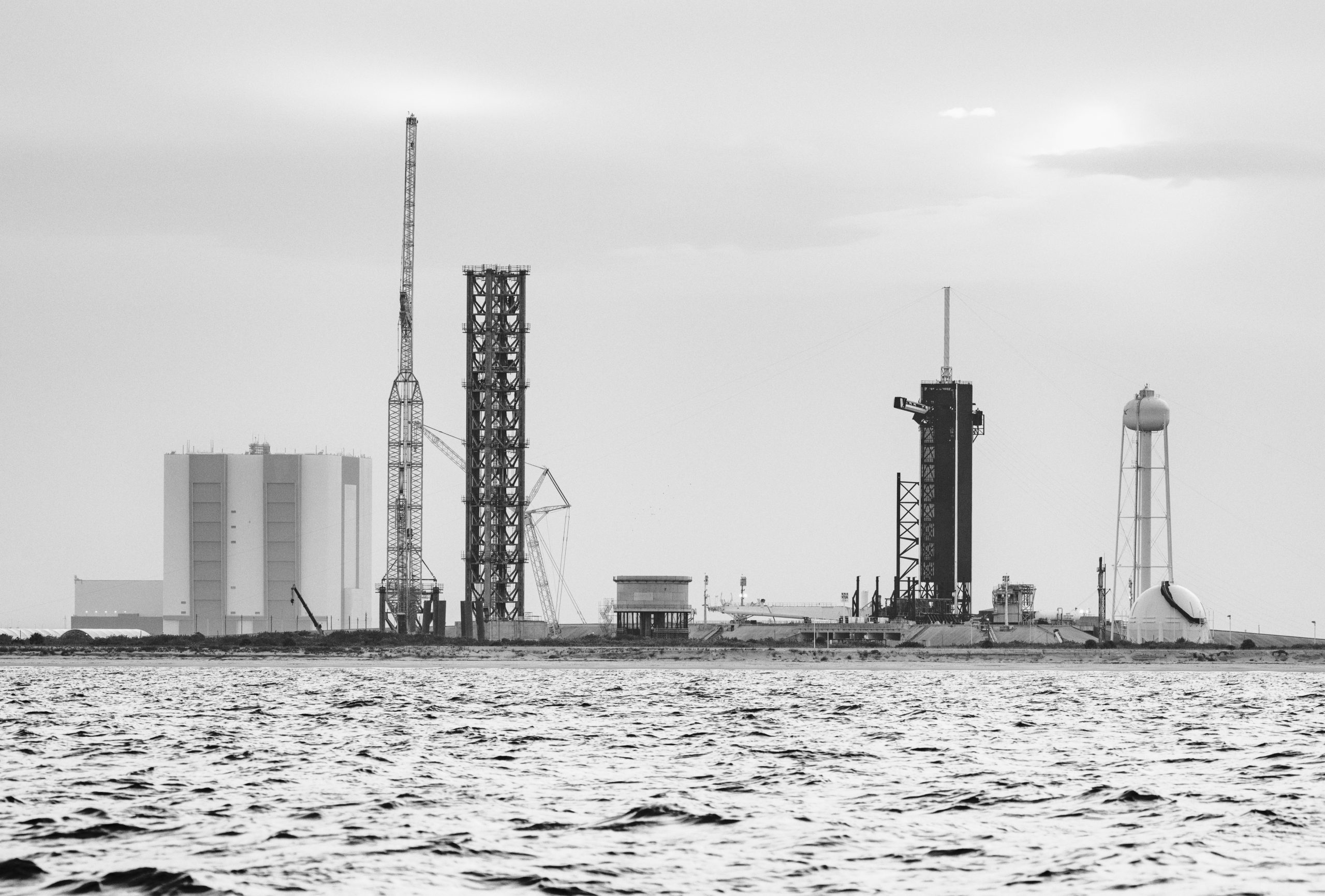
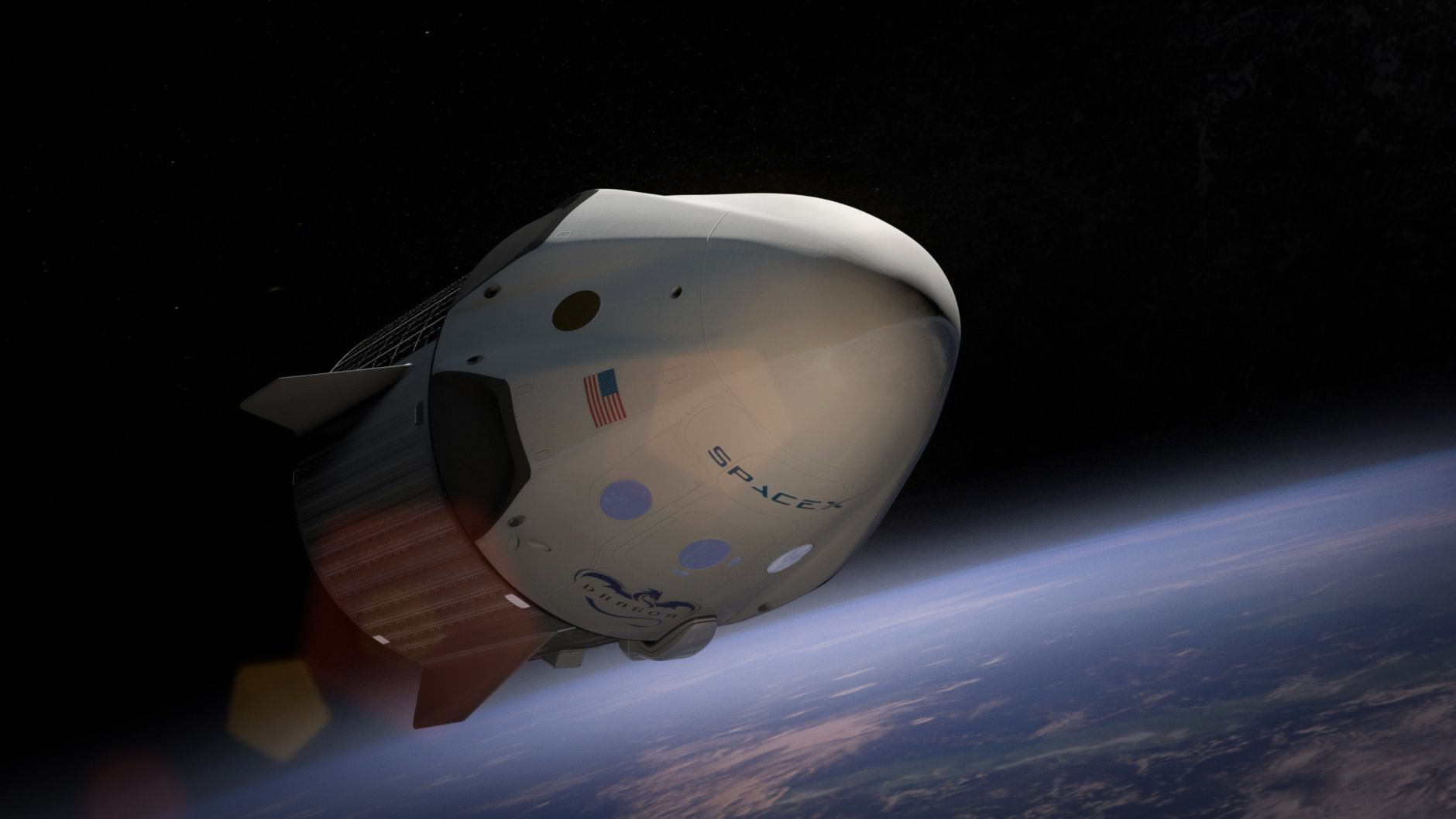
SpaceX resupply mission successfully delivered essential supplies to the ISS, including solar arrays and cutting-edge experiments. This mission marks a significant milestone in space logistics and research.
Overview of the SpaceX resupply mission
The recent SpaceX resupply mission marked a significant milestone in the ongoing partnership between SpaceX and NASA, as it successfully delivered vital supplies to the International Space Station (ISS). This mission was the 35th resupply effort undertaken by SpaceX, showcasing the reliability and efficiency of its Falcon 9 rocket.
Among the key cargo delivered were new solar arrays designed to enhance the station’s power capabilities. These arrays are expected to provide additional energy to support scientific research and experiments conducted aboard the ISS. In addition to the solar arrays, the mission also transported a variety of cutting-edge experiments that aim to advance our understanding of space and improve life on Earth.
The accomplishment of this SpaceX resupply mission highlights the important role that private companies play in space exploration. As the demand for resources in low Earth orbit grows, the need for proven delivery systems becomes increasingly critical. SpaceX continues to demonstrate its ability to meet these demands, ensuring that the ISS remains a hub for scientific discovery and international collaboration.
- Delivery of solar arrays
- Transport of scientific experiments
- 35th successful resupply mission
Key components delivered to the ISS
The recent SpaceX resupply mission has successfully delivered a variety of essential components to the International Space Station (ISS). This mission, which marks the 35th resupply operation by SpaceX, highlights the company’s commitment to supporting ongoing scientific research and development in low Earth orbit.
Among the key components delivered were:
- Solar Arrays: New solar arrays were sent to enhance the ISS’s power generation capabilities, ensuring that the station can effectively support its growing array of scientific instruments.
- Cutting-edge Experiments: A series of advanced experiments aimed at understanding the effects of microgravity on various biological and physical processes were included, promising to yield valuable data for future missions.
- Supplies for Crew: Essential supplies and equipment for the astronauts aboard the ISS were also part of the cargo, ensuring that they have the necessary resources for their extended stay.
This SpaceX resupply mission reinforces the importance of private-public partnerships in space exploration and underscores the reliability of commercial providers for transporting critical items to the ISS.
Importance of solar arrays in space
The importance of solar arrays in space cannot be overstated, especially in the context of the recent SpaceX resupply mission. These critical components enable the International Space Station (ISS) to harness solar energy, providing power for its various operations and experiments.
Solar arrays play a vital role in maintaining the functionality and sustainability of the ISS. Key reasons for their significance include:
- Energy Generation: Solar arrays convert sunlight into electricity, ensuring that the ISS has a continuous power supply for scientific research and daily operations.
- Efficiency: The advancements in solar technology have led to more efficient arrays, allowing for greater energy capture and reduced reliance on other power sources.
- Autonomy: With solar arrays, the ISS can operate independently without the need for frequent resupply missions solely for energy needs.
- Support for Experiments: Many of the experiments conducted aboard the ISS require stable power sources, which solar arrays provide, enabling researchers to gather valuable data.
As the SpaceX resupply mission continues to deliver these essential solar arrays, the ISS remains a hub for innovation and scientific discovery in low Earth orbit.
Cutting-edge experiments on board
The latest SpaceX resupply mission has not only delivered vital components like solar arrays but also brought a variety of cutting-edge experiments to the International Space Station (ISS). These experiments are crucial for advancing our understanding of space and developing technologies that could benefit life on Earth.
This mission includes:
- Biomaterials in microgravity: Researchers are studying how living cells react in a low-gravity environment, which could lead to breakthroughs in regenerative medicine.
- Plant growth studies: Experiments involving various plant species aim to explore how microgravity affects growth patterns and yield, providing insights for future space agriculture.
- Material science investigations: New materials are being tested for their properties in space, which could lead to stronger and lighter materials for use on Earth.
- Crystal growth experiments: Investigating how crystals form in microgravity can enhance the quality of pharmaceuticals.
Through these groundbreaking experiments, the SpaceX resupply mission reinforces the ISS’s role as a laboratory for innovation, contributing to both scientific knowledge and practical applications on our planet.
Previous SpaceX missions compared
The latest SpaceX resupply mission marks another successful chapter in the company’s history of providing reliable deliveries to the International Space Station (ISS). Previous missions have laid the groundwork for this achievement, showcasing a steady evolution in technology and capabilities.
In comparison to earlier flights, the latest mission has successfully integrated more advanced systems and payloads. Notably, the delivery of solar arrays demonstrates a significant leap in both efficiency and sustainability. Earlier missions primarily focused on essential supplies and scientific equipment, but as SpaceX evolved, the focus shifted toward long-term solutions for ISS operations.
Among the most notable previous missions was the CRS-20, which delivered critical supplies needed to support the ISS crew. However, it lacked the sophisticated technological enhancements that characterize recent endeavors. The incorporation of cutting-edge experiments reflects the growing synergy between commercial spaceflight and scientific research.
As SpaceX continues to refine its resupply missions, the consistency and reliability of their launches have set a new standard in the industry. The ongoing success of the SpaceX resupply mission not only benefits the ISS but also paves the way for future exploration beyond Earth.
Future plans for ISS resupply
As SpaceX continues to solidify its reputation in space logistics, future plans for ISS resupply missions look promising. The company aims to enhance its delivery capabilities through improved cargo capacity and efficiency, ensuring that the International Space Station (ISS) receives vital supplies and experiment materials regularly.
In the coming years, SpaceX will focus on:
- Increased Cargo Volume: Future missions will feature upgraded Dragon spacecraft capable of carrying more cargo, which will enable more comprehensive support for ISS operations.
- Sustainability Initiatives: SpaceX plans to incorporate sustainable practices in its resupply missions, minimizing environmental impact while fulfilling its commitments to the ISS.
- Advanced Technology Integration: By leveraging the latest advancements in space technology, SpaceX aims to enhance the efficiency and reliability of its resupply missions.
- Collaboration with NASA: Continued partnership with NASA will drive innovation and ensure that the ISS remains a hub for scientific research and international cooperation.
The SpaceX resupply mission is set to play a crucial role in supporting the ongoing research and maintenance of the ISS, paving the way for future exploration endeavors.
Impact on international space research
The recent SpaceX resupply mission has made significant contributions to international space research, further enhancing collaborative efforts among various space agencies and institutions. The successful delivery of essential materials and scientific equipment to the International Space Station (ISS) facilitates ongoing experiments that are crucial for understanding the effects of long-term space travel on the human body, as well as the potential for sustainable living in space.
Moreover, the mission reinforces the importance of partnerships between government agencies and private companies. SpaceX’s reliable transport capabilities allow researchers from around the globe to conduct experiments that would be impossible on Earth. This collaboration leads to advancements in fields such as biotechnology, materials science, and environmental monitoring.
As countries like the United States, Europe, and Japan work together on various projects aboard the ISS, findings from these experiments can be shared and utilized to address global challenges, including climate change and health issues. The implications extend beyond Earth, paving the way for future missions to Mars and beyond, where knowledge gained from the SpaceX resupply mission will be invaluable.
Conclusion and next steps
In conclusion, the recent SpaceX resupply mission highlights the critical role that private companies play in supporting the International Space Station (ISS) and advancing international collaboration in space research. With the successful delivery of solar arrays and various cutting-edge experiments, SpaceX continues to demonstrate its reliability and efficiency in resupply operations.
As the ISS faces challenges related to aging infrastructure, the introduction of new solar arrays will enhance its energy capabilities, ensuring that scientific work can continue uninterrupted. This mission not only reinforces the importance of maintaining the ISS but also sets the stage for future explorations beyond low Earth orbit.
Looking ahead, SpaceX plans to expand its resupply missions, focusing on delivering more advanced technology and essential supplies to support ongoing research. The company’s commitment to innovation and sustainability will likely lead to even more groundbreaking experiments aboard the ISS.
The success of this resupply mission is a testament to the strength of public-private partnerships in space exploration. As the landscape of space research evolves, the continuous support provided by SpaceX will be vital for pushing the boundaries of what is possible in scientific discovery.
Photo by SpaceX on Pexels