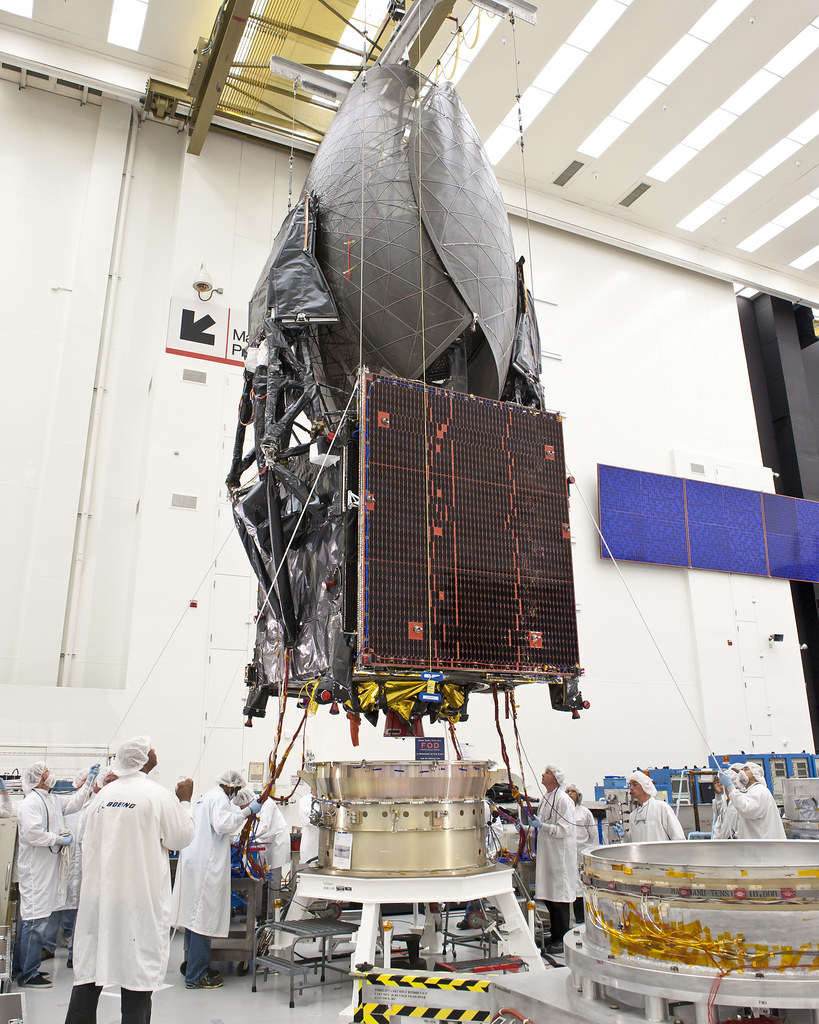

orbital computing satellite is the latest innovation from Indian startup TakeMe2Space, which is preparing for a launch on a SpaceX rocket.
What is an orbital computing satellite?
An orbital computing satellite is a cutting-edge technology designed to enhance data processing capabilities in space. Unlike traditional satellites that primarily focus on data transmission and imaging, these advanced satellites are equipped with powerful onboard computing systems that allow them to perform complex calculations and analyses directly in orbit.
This innovation significantly reduces the time it takes to process information, enabling real-time decision-making for various applications, such as climate monitoring, disaster response, and telecommunications. By leveraging the unique environment of space, orbital computing satellites can handle substantial amounts of data while minimizing latency issues often encountered with ground-based systems.
The recent announcement from the Indian startup TakeMe2Space highlights the growing interest in this technology. They are set to launch their own orbital computing satellite aboard a SpaceX rocket, marking a significant step in the evolution of satellite technology. The initiative aims to demonstrate the practical applications of onboard computing and its potential to revolutionize data handling in numerous industries.
As more companies explore the possibilities of orbital computing, the future of satellite technology looks promising, offering new opportunities for innovation and efficiency.
TakeMe2Space’s innovative approach
TakeMe2Space is at the forefront of technological innovation with its groundbreaking approach to deploying an orbital computing satellite. This Indian startup has developed a unique model that integrates advanced computing capabilities directly into the satellite architecture, allowing for unprecedented data processing in space. By leveraging the power of cloud computing and artificial intelligence, the satellite will enable real-time analytics and decision-making capabilities for various applications.
One of the key features of TakeMe2Space’s satellite is its ability to operate autonomously, minimizing the need for ground intervention. This self-sufficient design enhances the efficiency of satellite operations and reduces latency in data transmission. The startup aims to cater to a range of industries, including agriculture, telecommunications, and environmental monitoring.
Furthermore, the partnership with SpaceX for the launch reinforces the startup’s commitment to reliability and cutting-edge technology. TakeMe2Space’s innovative approach signifies a shift in how satellites are utilized, moving beyond traditional roles to become vital components in the digital infrastructure of the future.
As the launch date approaches, excitement is building around this pioneering project, which promises to revolutionize the landscape of orbital computing.
How SpaceX is facilitating this launch
SpaceX is playing a pivotal role in the launch of the innovative orbital computing satellite developed by the Indian startup TakeMe2Space. By offering reliable and advanced launch capabilities, SpaceX enables new technology to reach orbit efficiently and effectively.
With a proven track record of successful missions, SpaceX has become the go-to launch provider for many startups and established companies alike. Their Falcon 9 rocket, known for its reusability, reduces costs and increases accessibility for projects like the orbital computing satellite.
TakeMe2Space’s collaboration with SpaceX highlights the growing trend of leveraging commercial space launch services to bring new ideas to fruition. The launch is set to take place in the upcoming months, with the satellite aimed at revolutionizing data processing in space.
Key benefits of utilizing SpaceX’s services for this mission include:
- Cost-effectiveness through rocket reusability.
- Rapid launch schedules that align with project timelines.
- Advanced technology that supports the satellite’s operational needs.
As the launch approaches, anticipation builds for the impact this orbital computing satellite will have on the future of space technology.
The future of satellite technology in India
The landscape of satellite technology in India is poised for a revolutionary change, particularly with the advent of the orbital computing satellite. As the demand for advanced data processing capabilities in space grows, this innovative technology allows for real-time data analysis and decision-making directly from orbit. India’s growing space sector is now embracing these advancements, positioning itself as a key player in global satellite communications and data services.
Several factors contribute to this promising future:
- Government Support: The Indian government’s initiatives to boost the space industry are creating an environment ripe for innovation.
- Private Sector Involvement: Startups like TakeMe2Space are stepping up, pushing boundaries and filling gaps in satellite technology.
- International Collaborations: Partnerships with established space entities, such as SpaceX, are facilitating cutting-edge launches and technological exchanges.
As India embraces the next generation of satellite technology, the launch of orbital computing satellites marks a significant milestone, promising enhanced capabilities in communication, monitoring, and data collection. The future is indeed bright for India’s satellite endeavors.
Impact of AI on space exploration
The advent of artificial intelligence (AI) is revolutionizing various sectors, and space exploration is no exception. The integration of AI technologies into the operations of an orbital computing satellite offers numerous benefits that enhance mission effectiveness and data analysis.
One significant impact of AI is its ability to process vast amounts of data in real time. This capability allows scientists and engineers to make quicker decisions based on the insights generated from satellite imagery and other data streams. Additionally, AI can optimize satellite operations, improving their efficiency and lifespan. By automating routine tasks and managing resources intelligently, these satellites can focus on their primary mission objectives.
Moreover, AI enhances the predictive maintenance of satellites, ensuring that potential issues are addressed before they escalate into significant problems. This proactive approach reduces downtime and operational costs. Furthermore, AI can facilitate advanced navigation and tracking systems, allowing for more precise maneuvering in space.
As we look to the future, the synergy between AI and orbital computing satellites will undoubtedly propel space exploration into new frontiers, providing unprecedented insights into our universe.
By NASA Goddard Photo and Video via Openverse
Where this came from
You might also like
OpenAI AI models: The Right Pause After Internet Bypass · Apple AI Logic: The Best Proven Strategies for Users · North East Seva Innovation Challenge: A Smart Opportunity for Change