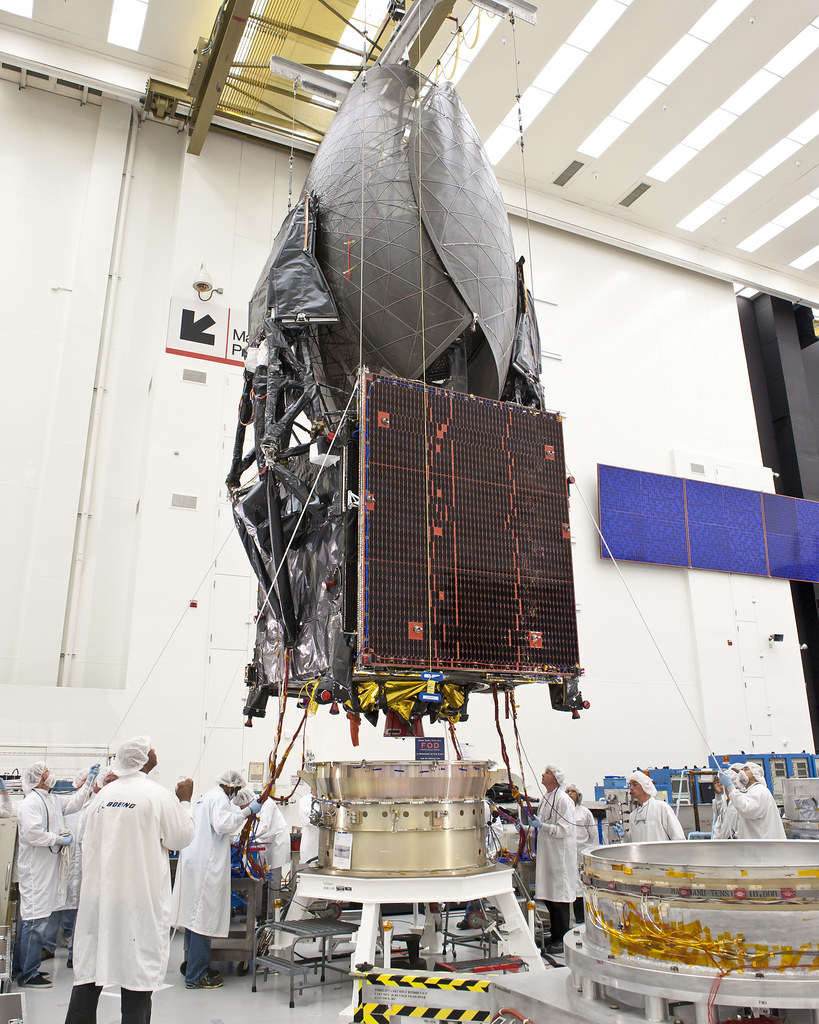
Astrobase space launch is set to transform the aerospace industry by planning to send 1,000 tonnes into space every year. This ambitious initiative promises to push the boundaries of space exploration and commercialization.
Overview of Astrobase’s Mission
The Astrobase space launch initiative aims to revolutionize the way we approach space logistics. Founded by a team of innovative engineers and entrepreneurs, Astrobase has set a formidable goal: to launch 1,000 tonnes of cargo into space every year. This ambitious plan seeks to address the growing demand for satellite deployment, research missions, and commercial payload deliveries.
Astrobase’s mission is built on several key principles:
- Cost-effectiveness: Utilizing advanced technologies to reduce launch expenses while maintaining safety and reliability.
- Sustainability: Developing eco-friendly practices to minimize the environmental impact of space launches.
- Scalability: Creating versatile launch systems that can accommodate various payload sizes and types.
The company is currently in the final stages of testing its launch vehicles, which are designed to provide high performance and efficiency. With its proven plan for achieving this monumental goal, Astrobase is positioning itself as a leader in the emerging space economy.
The Technology Behind Astrobase
The technology behind Astrobase’s ambitious space launch program is a blend of innovative engineering and sustainable practices. By leveraging advanced propulsion systems, the startup aims to revolutionize how we transport goods to orbit.
At the core of Astrobase’s technology are several key components:
- Reusable Launch Vehicles: These vehicles are designed for multiple flights, significantly reducing costs and environmental impact.
- Modular Payload Systems: The payload capacity of each launch can be customized, allowing for efficient transport of various types of cargo.
- Autonomous Flight Operations: Astrobase utilizes cutting-edge automation to enhance safety and precision during launches.
- Green Propulsion Technologies: The company is committed to minimizing its carbon footprint by employing eco-friendly fuels.
Astrobase’s space launch plan not only focuses on transporting 1,000 tonnes into space every year but also emphasizes reliability and sustainability. As the company continues to innovate, the potential for expanding its services grows, opening new opportunities in the space industry.
Impact on Space Industry
The recent announcement of the Astrobase space launch has the potential to significantly impact the space industry. With plans to deliver 1,000 tonnes of payloads into orbit annually, Astrobase is poised to challenge existing industry norms and reshape commercial spaceflight.
Industry experts highlight several key implications of this ambitious initiative:
- Increased Accessibility: The ability to launch large payloads regularly will lower the barriers for smaller companies and research institutions to access space.
- Cost Efficiency: By focusing on high-volume launches, Astrobase aims to reduce the cost per kilogram, making space more affordable for a variety of applications.
- Innovation Stimulus: The competitive environment fostered by Astrobase’s entrance will likely drive innovation among other space launch providers.
- Sustainability Considerations: The strategy may encourage eco-friendly practices in space logistics, prompting a shift towards greener technologies in the industry.
As the Astrobase space launch initiative unfolds, the broader implications for satellite deployment, interplanetary exploration, and even commercial space tourism remain to be seen, but the excitement in the industry is palpable.
Challenges Facing Space Launches
The challenges facing space launches have become increasingly complex as the demand for payload delivery grows. The Astrobase space launch initiative, which aims to transport 1,000 tonnes into space annually, is no exception. Several factors contribute to the difficulties encountered in this ambitious endeavor.
- Cost Efficiency: Reducing the cost of launches remains a paramount challenge. The financial burden associated with rocket development and manufacturing can impede progress.
- Technological Limitations: Innovations in propulsion and materials are essential for achieving the goals set by Astrobase. Current technologies may not be sufficient to handle the required payload capacities.
- Regulatory Hurdles: Navigating international regulations and obtaining necessary permits can delay launch schedules, complicating plans for timely deployments.
- Safety Concerns: Ensuring the safety of both payloads and crew during launches is critical. Any failure can lead to catastrophic consequences, impacting public confidence in space missions.
Addressing these challenges will be vital for Astrobase to successfully implement its plans and make a significant impact in the space industry.
Future of Space Exploration
The future of space exploration is set to be transformed by innovative companies like Astrobase. With their ambitious goal of launching 1,000 tonnes into space every year, they aim to redefine what is possible in the aerospace industry. This paradigm shift could lead to a variety of advancements, including deeper space missions, satellite deployment, and even the potential for off-Earth mining.
As Astrobase progresses with its space launch plans, it brings forth new opportunities for collaboration among nations and private entities. The ability to transport significant payloads could stimulate research in fields such as astronomy, climate science, and telecommunications. Furthermore, the increased accessibility to space might inspire a new generation of scientists and engineers to explore careers in aerospace.
However, the success of the Astrobase space launch initiative will depend on addressing regulatory challenges, ensuring safety protocols, and developing sustainable practices. As the company continues to innovate, the global community watches closely, eager to see how Astrobase will shape the future of space exploration.
Astrobase’s Innovative Approach
Astrobase is redefining the paradigm of space logistics with its innovative approach to the Astrobase space launch initiative. The company has developed a comprehensive strategy that focuses on efficiency and sustainability, aiming to transport 1,000 tonnes of cargo into space annually. This ambitious goal is supported by a series of groundbreaking technologies and methodologies that enhance the feasibility of large-scale launches.
One of the key components of Astrobase’s strategy is its reusable launch vehicle (RLV) design, which significantly reduces costs associated with traditional launch systems. The RLV is engineered to withstand multiple flights, allowing for rapid turnaround times between missions. Additionally, the integration of advanced propulsion systems ensures that payloads can be delivered more efficiently.
Astrobase also emphasizes partnerships with various stakeholders, including governmental and private entities, to foster a collaborative ecosystem. This approach not only enhances resource sharing but also accelerates innovation in the sector. By prioritizing sustainability and collaboration, Astrobase is poised to lead the charge in transforming the space launch landscape for years to come.
Funding and Investment
The funding and investment landscape for the Astrobase space launch initiative is pivotal to its success. With an ambitious goal of sending 1,000 tonnes into space annually, Astrobase has attracted significant interest from various sectors.
Key investment sources include:
- Venture Capital Firms: Several firms are backing Astrobase, drawn by its innovative technology and market potential.
- Government Grants: The startup has secured funding from government programs aimed at boosting the space industry, recognizing the strategic importance of its mission.
- Private Investors: A growing number of private investors are eager to support ventures that promise substantial returns in the rapidly expanding commercial space sector.
Astrobase’s funding strategy emphasizes collaboration with both public and private entities. This dual approach not only diversifies its financial base but also enhances its credibility in the industry. As the Astrobase space launch project progresses, ongoing investment will be critical in overcoming operational challenges and achieving its goal of a sustainable space economy.
Conclusion and Outlook
As we look to the future, the Astrobase space launch initiative stands out as a beacon of innovation and ambition in the aerospace sector. With the capability to send 1,000 tonnes into space annually, Astrobase is poised to redefine the landscape of space exploration and commercial opportunities. The company’s commitment to leveraging cutting-edge technology and sustainable practices will not only facilitate large-scale missions but also inspire confidence among investors and stakeholders.
However, the journey ahead is fraught with challenges, including regulatory hurdles, technological advancements, and the need for robust funding mechanisms. To navigate these complexities, Astrobase must continue to foster partnerships with governmental and private organizations, ensuring a collaborative approach to achieving its goals.
Overall, the outlook for Astrobase is promising. If the company can successfully execute its plans and address the challenges in its path, it may very well become a leader in the new era of space exploration. The potential for economic growth and scientific discovery is immense, making Astrobase’s mission not only relevant but essential for the future of humanity’s ventures beyond Earth.
The Astrobase space launch aims to revolutionize cargo delivery to low Earth orbit by efficiently transporting 1,000 tonnes of payload. With its innovative design, the Astrobase space launch is set to become the best proven plan for meeting the growing demands of space exploration.