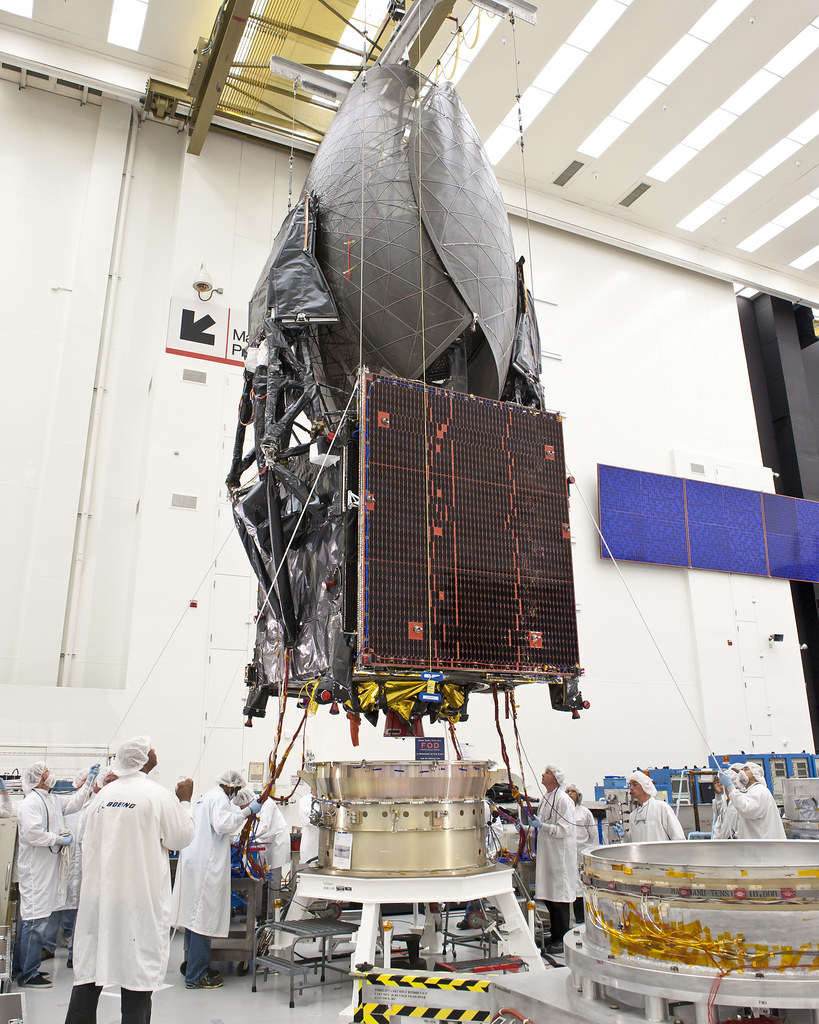

The solid zinc Hall thruster is a groundbreaking innovation in satellite technology that promises enhanced propulsion efficiency and reliability.
What is a Solid Zinc Hall Thruster?
The solid zinc Hall thruster is an innovative propulsion technology designed specifically for use in satellites. This advanced system operates by using electrical energy to accelerate ions, generating thrust that propels spacecraft efficiently through the vacuum of space.
Unlike traditional thrusters that rely on liquid propellants, the solid zinc Hall thruster utilizes solid zinc as its primary fuel source. This approach offers several advantages, including:
- Increased efficiency: Solid zinc can provide a higher specific impulse compared to conventional propellants, enabling longer mission durations.
- Reduced complexity: The design of solid zinc thrusters eliminates the need for complex fuel handling systems, simplifying satellite integration.
- Enhanced safety: The use of solid fuel reduces the risks associated with handling and storing liquid propellants.
Recent tests conducted by Muon Space have confirmed the viability of this technology, marking a significant milestone in satellite propulsion. The solid zinc Hall thruster represents a promising step forward in the quest for more effective and reliable space travel solutions, potentially revolutionizing how satellites are powered and maneuvered in orbit.
Benefits of Solid Zinc Hall Thrusters
Solid zinc Hall thrusters offer a range of benefits that make them an ideal choice for modern satellite propulsion systems. These advantages are crucial as the demand for efficient and reliable space technology continues to grow.
- Increased Efficiency: Solid zinc Hall thrusters are designed to provide higher thrust-to-power ratios compared to traditional propulsion systems, leading to more effective maneuverability in space.
- Reduced Weight: The lightweight nature of solid zinc components helps to lower the overall mass of satellites, allowing for greater payload capacity and enhanced performance.
- Improved Safety: With a solid propellant, the risk of leakage or explosive reactions is significantly minimized, making solid zinc Hall thrusters a safer alternative for satellite operations.
- Longer Lifespan: These thrusters are engineered for durability, which translates to extended operational life for satellites, reducing the need for frequent replacements or repairs.
- Environmentally Friendly: Solid zinc is a more sustainable material than many conventional propellants, aligning with the growing emphasis on eco-friendly technologies in space exploration.
Overall, the solid zinc Hall thruster represents a significant advancement in satellite propulsion technology, combining performance, safety, and sustainability.
Muon Space’s Innovations in Propulsion
Muan Space has taken significant strides in satellite propulsion with its pioneering work on the solid zinc Hall thruster. This innovative technology marks a turning point in the field of spacecraft propulsion, particularly for small to medium-sized satellites. By utilizing solid zinc as the propellant, Muon Space has demonstrated a unique approach that promises enhanced efficiency and reduced operational costs for satellite missions.
The company recently conducted a series of tests, showcasing the performance capabilities of their solid zinc Hall thruster. These tests revealed not only the thruster’s ability to produce thrust effectively but also its remarkable stability during operation. The use of solid zinc allows for a more straightforward integration into existing satellite designs, potentially revolutionizing the way propulsion systems are developed and deployed.
Key features of Muon Space’s innovation include:
- Increased Efficiency: The solid zinc formulation allows for higher energy conversion.
- Lower Costs: Reduced material costs contribute to overall mission affordability.
- Scalability: The technology can be adapted for various satellite sizes.
As advancements in propulsion technology continue to evolve, Muon Space’s solid zinc Hall thruster stands at the forefront, paving the way for a new era in satellite operations.
The Future of Satellite Technology
The future of satellite technology is poised for a transformative shift with the introduction of the solid zinc Hall thruster. This innovative propulsion system promises to enhance the efficiency and reliability of satellite operations, paving the way for more ambitious missions.
As the demand for satellite services continues to grow, the need for advanced propulsion technologies becomes increasingly critical. Solid zinc Hall thrusters offer several advantages over traditional propulsion systems, including:
- Increased Efficiency: Solid zinc Hall thrusters utilize less power while providing higher thrust levels, allowing satellites to conserve energy and extend their operational lifespans.
- Reduced Weight: The compact design of these thrusters contributes to lighter satellite builds, enabling more payload capacity for additional instruments or equipment.
- Lower Costs: With manufacturing becoming more streamlined, the solid zinc Hall thruster is expected to reduce overall mission costs, making satellite deployment more accessible for smaller companies.
Additionally, the versatility of solid zinc Hall thrusters makes them suitable for various applications, from Earth observation to interplanetary exploration. As more companies like Muon Space continue to innovate in propulsion technology, the future of satellite missions looks brighter than ever.
Photo by Vanya on Pexels