
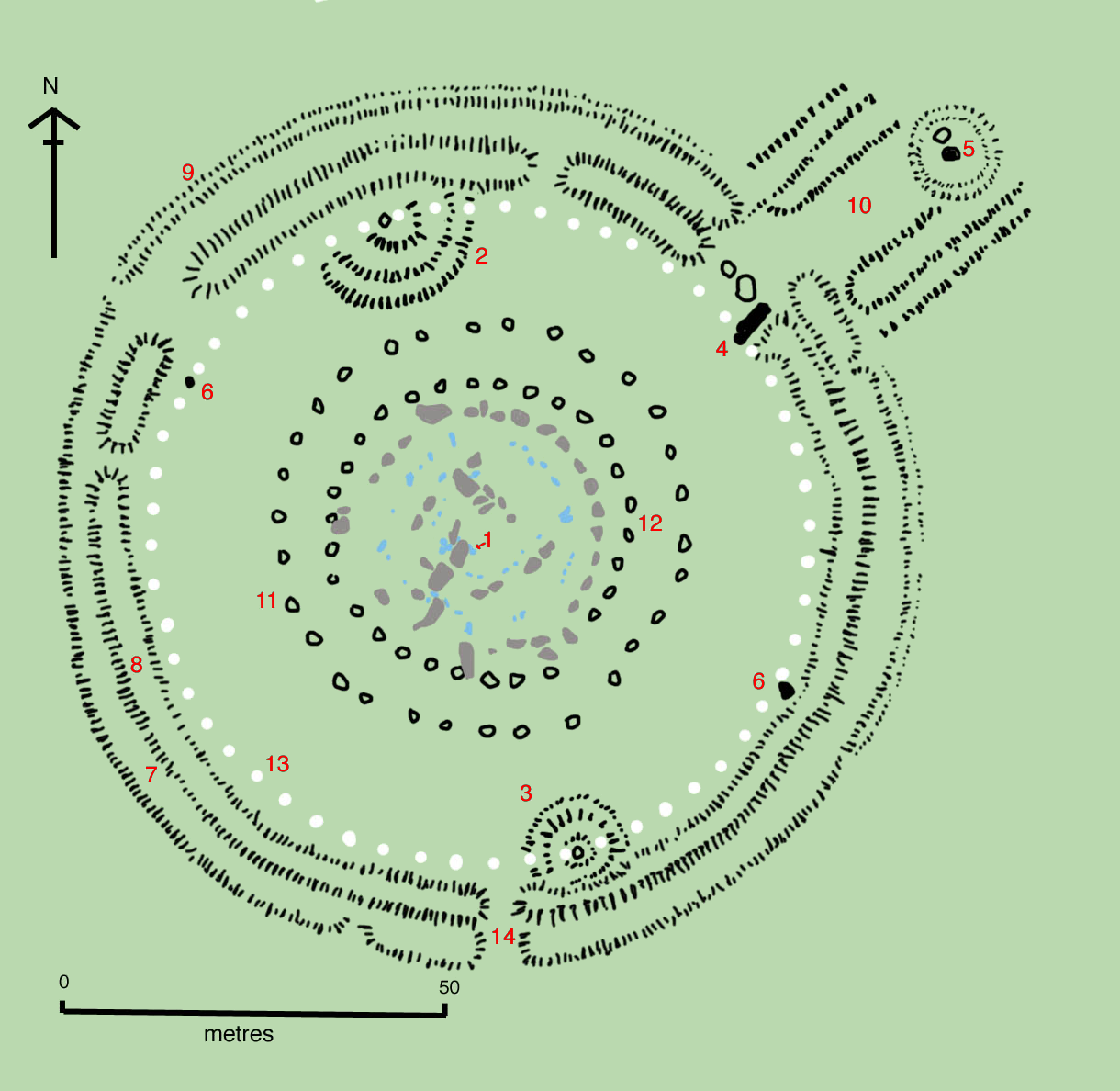
Stonehenge altar origins continue to perplex researchers. Recent studies have dismissed the theory linking the site to north-east Scotland, leaving many questions unanswered about its true beginnings.
The Mystery of Stonehenge
The origins of the Stonehenge altar have puzzled researchers for centuries, leading to various theories about its construction and purpose. Recent studies have provided new insights, yet the ultimate answers remain elusive.
One prominent theory suggested that the altar stones were sourced from north-east Scotland; however, recent evidence has ruled this hypothesis out, prompting experts to explore alternative origins.
Researchers are now investigating several potential sources, including:
- The nearby Marlborough Downs
- Areas in Wales known for their unique stone formations
- Other geological sites in southern England
Despite the advancements in understanding the Stonehenge altar origins, much of its history still remains a mystery. The enigmatic structure continues to captivate archaeologists and visitors alike, drawing attention to its significance in prehistoric culture.
As more studies emerge, the hope is to unravel the secrets of this ancient monument, shedding light on its purpose and the people who built it.
Recent Research Findings
Recent research findings have provided new insights into the Stonehenge altar origins, challenging long-held theories about its construction and purpose. A team of archaeologists conducted a thorough analysis of the site, uncovering evidence that suggests the altar may have been used for ceremonial practices rather than merely as a burial site.
Key discoveries include:
- Stone tools found near the altar, indicating that the site was a focal point for ritualistic activities.
- Dating techniques applied to the altar stones reveal a timeline that aligns with significant astronomical events.
- Material analysis suggests that the altar stones originated from a different location, pointing to potential trade or transport methods used by ancient builders.
These findings add depth to the ongoing debate about the true purpose of Stonehenge and further complicate the narrative surrounding its origins.
Historical Theories on Stonehenge
Throughout history, various theories have emerged regarding the origins of the Stonehenge altar. While many scholars have pondered its purpose and construction, a few notable hypotheses have gained traction.
- Religious Significance: Some historians argue that the altar served as a sacred site for rituals, possibly linked to ancient astronomical events.
- Funerary Practices: Others suggest that the altar was used in burial rites, aligning with discoveries of human remains nearby.
- Architectural Innovation: A theory posits that the altar represents a significant advancement in megalithic engineering, showcasing the capabilities of prehistoric societies.
Despite these theories, the true origins of the Stonehenge altar remain elusive. Recent research has ruled out connections to north-east Scotland, prompting experts to explore alternative explanations. As investigations continue, the debate surrounding the altar’s purpose and its role in the greater context of Stonehenge persists, highlighting the enduring fascination with this ancient monument.
Implications for Archaeology
The recent findings regarding the Stonehenge altar origins have significant implications for the field of archaeology. As researchers delve deeper into the site’s history, they uncover layers of complexity that challenge long-held beliefs about ancient cultures and their practices.
One key implication is the need to reassess existing theories about the movement and use of stones across prehistoric Britain. The ruling out of the north-east Scotland theory opens new avenues for exploration, suggesting that the altar’s origins may be more local than previously thought. This shift encourages archaeologists to focus on local sources and the social dynamics that influenced construction techniques.
- Increased collaboration across disciplines may arise from these findings.
- The role of ritualistic practices in shaping monument construction could be reevaluated.
- Future excavations might prioritize areas surrounding Stonehenge for clues about its builders.
Ultimately, these revelations promise to deepen our understanding of the ancient world.
The recent discoveries provide significant insights into the Stonehenge altar origins, shedding light on the ancient rituals performed at this iconic site. As researchers delve deeper into the Stonehenge altar origins, they uncover a fascinating narrative that links the monument to early civilizations.
By Drawn by Adamsan via Openverse