
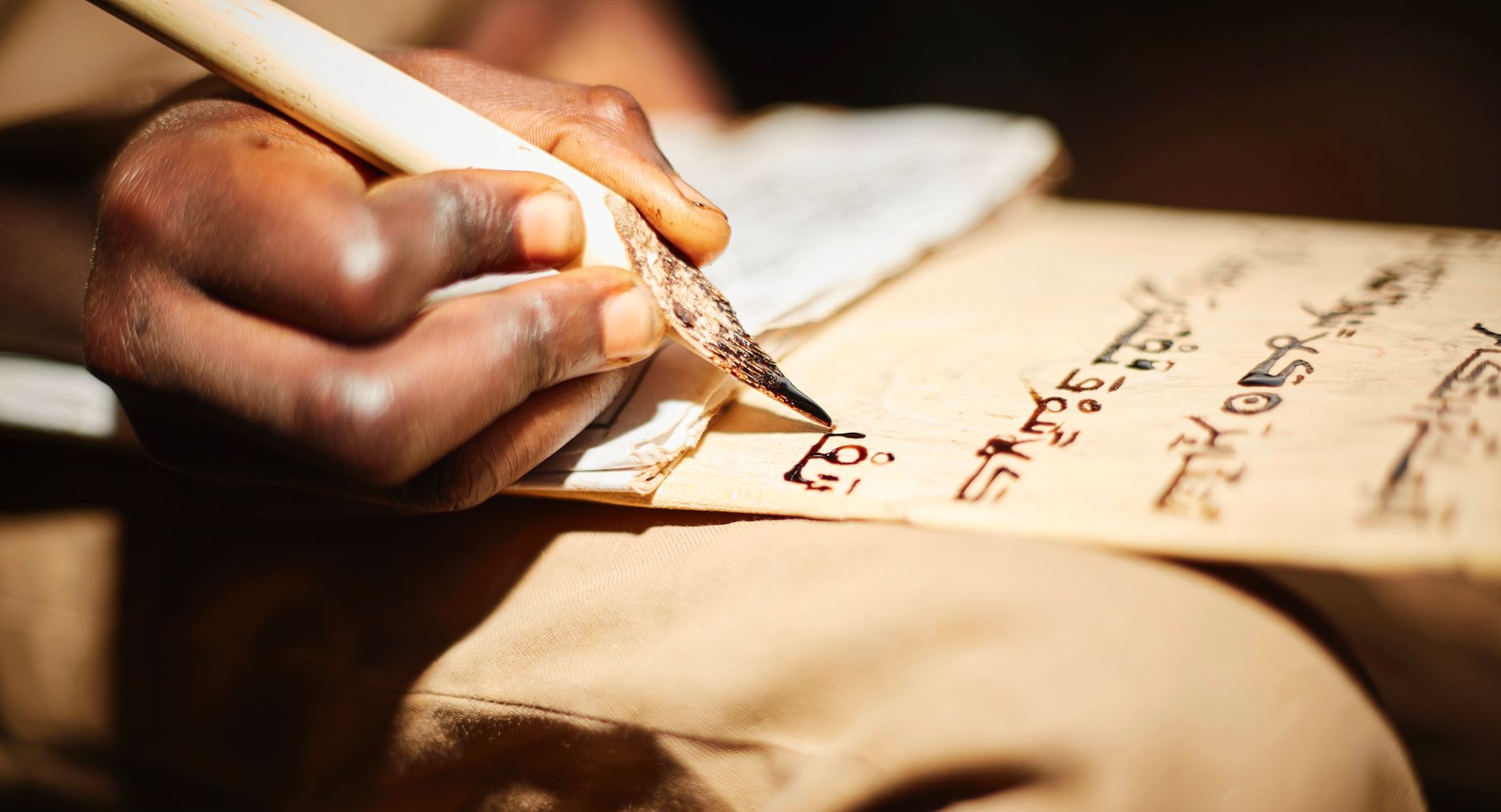
burned scrolls technology has opened new avenues for understanding ancient texts. Scientists have developed methods to decipher these fragile artifacts without the need for unrolling them, preserving their integrity while revealing their secrets.
How are burned scrolls read?
Researchers have developed innovative methods to read burned scrolls without the need to unroll them, a significant breakthrough in the study of ancient texts. These scrolls, which were damaged in a volcanic eruption in 79 AD, contain invaluable historical information that has long been inaccessible. Using advanced imaging techniques, scientists can now analyze the scrolls’ layers and decipher their contents.
The process involves several key steps:
- X-ray Computed Tomography: This technique creates detailed 3D images of the scrolls, revealing the arrangement of the layers.
- Machine Learning Algorithms: These algorithms help identify the shapes of letters and words from the images.
- Image Processing: Enhanced contrast and clarity allow researchers to read the ancient texts more effectively.
Overall, burned scrolls technology promises to unlock the secrets of the past, providing insights into ancient civilizations.
The technology behind scroll deciphering
The technology behind scroll deciphering has evolved significantly, especially with the advent of advanced imaging techniques. Scientists have developed methods that allow them to read burned scrolls without physically unrolling them, preserving the delicate materials.
One of the most notable techniques involves X-ray phase contrast tomography, which captures detailed images of the scroll’s internal structure. This non-invasive approach reveals the text hidden within the charred layers.
Additionally, machine learning algorithms analyze the captured images to identify letters and symbols, enhancing the readability of the burned scrolls technology. This innovative combination of imaging and computational analysis opens new avenues for historians and researchers, allowing them to access ancient texts that were once deemed lost forever.
As technology progresses, the hope is that even more intricate scrolls can be deciphered, shedding light on our historical understanding.
Benefits of non-invasive techniques
The development of burned scrolls technology has opened new avenues for the study of ancient texts without causing further damage. Non-invasive techniques offer several advantages for researchers and historians alike.
Some of the key benefits include:
- Preservation of artifacts: By avoiding physical contact, these methods help maintain the integrity of fragile scrolls.
- Enhanced accessibility: Scholars can explore previously unreadable materials, expanding our understanding of historical narratives.
- Cost-effective solutions: Non-invasive techniques often require less funding and resources compared to traditional methods.
- Fostering collaboration: Different fields, such as materials science and imaging technology, can come together, enhancing interdisciplinary research.
In conclusion, the use of burned scrolls technology represents a significant advancement in the conservation and understanding of ancient literature.
Challenges faced by researchers
Researchers face numerous challenges when working with burned scrolls technology, which complicates the process of deciphering ancient texts. One significant issue is the fragility of the materials; the scrolls are often charred and brittle, making them susceptible to further damage during examination.
Moreover, the complex layering of the scrolls can obscure text, requiring advanced imaging techniques and specialized software to extract readable information.
Another challenge is the need for interdisciplinary collaboration, as experts from fields such as archaeology, computer science, and material science must work together to develop effective solutions.
Finally, funding for these projects can be limited, hindering the adoption of burned scrolls technology on a larger scale, despite its potential to revolutionize our understanding of ancient civilizations.
Future of ancient text studies
The future of ancient text studies appears promising, particularly with the advancements in burned scrolls technology. Researchers are increasingly optimistic that these innovative methods will revolutionize how historians and archaeologists access and interpret ancient writings.
As techniques continue to evolve, experts anticipate significant breakthroughs in deciphering texts that were previously deemed irretrievable. The use of non-invasive imaging and analysis will likely lead to the discovery of new content, shedding light on historical events and cultures.
Moreover, the collaboration between scientists and classicists is expected to yield interdisciplinary insights, enhancing our understanding of ancient civilizations.
In conclusion, burned scrolls technology holds the potential to transform the landscape of text studies, allowing scholars to unlock narratives long hidden in the ashes of history.
Impact on historical understanding
The advent of burned scrolls technology has significantly transformed our understanding of ancient texts. Traditionally, scholars faced immense challenges in accessing the content of charred scrolls, often deemed irretrievably lost. However, this innovative technology allows researchers to visualize the writing without causing further damage, revealing valuable historical insights.
By employing advanced imaging techniques, historians can now uncover narratives that were once hidden, offering fresh perspectives on ancient cultures and their practices. This method not only enriches our comprehension of historical events but also sheds light on the daily lives of people from the past.
As a result, burned scrolls technology is proving to be a pivotal tool in the field of archaeology, ensuring that we can continue to learn from our history while preserving the integrity of these fragile artifacts.
Photo by Ezeguna_graphy Sulaiman muhammad on Pexels