
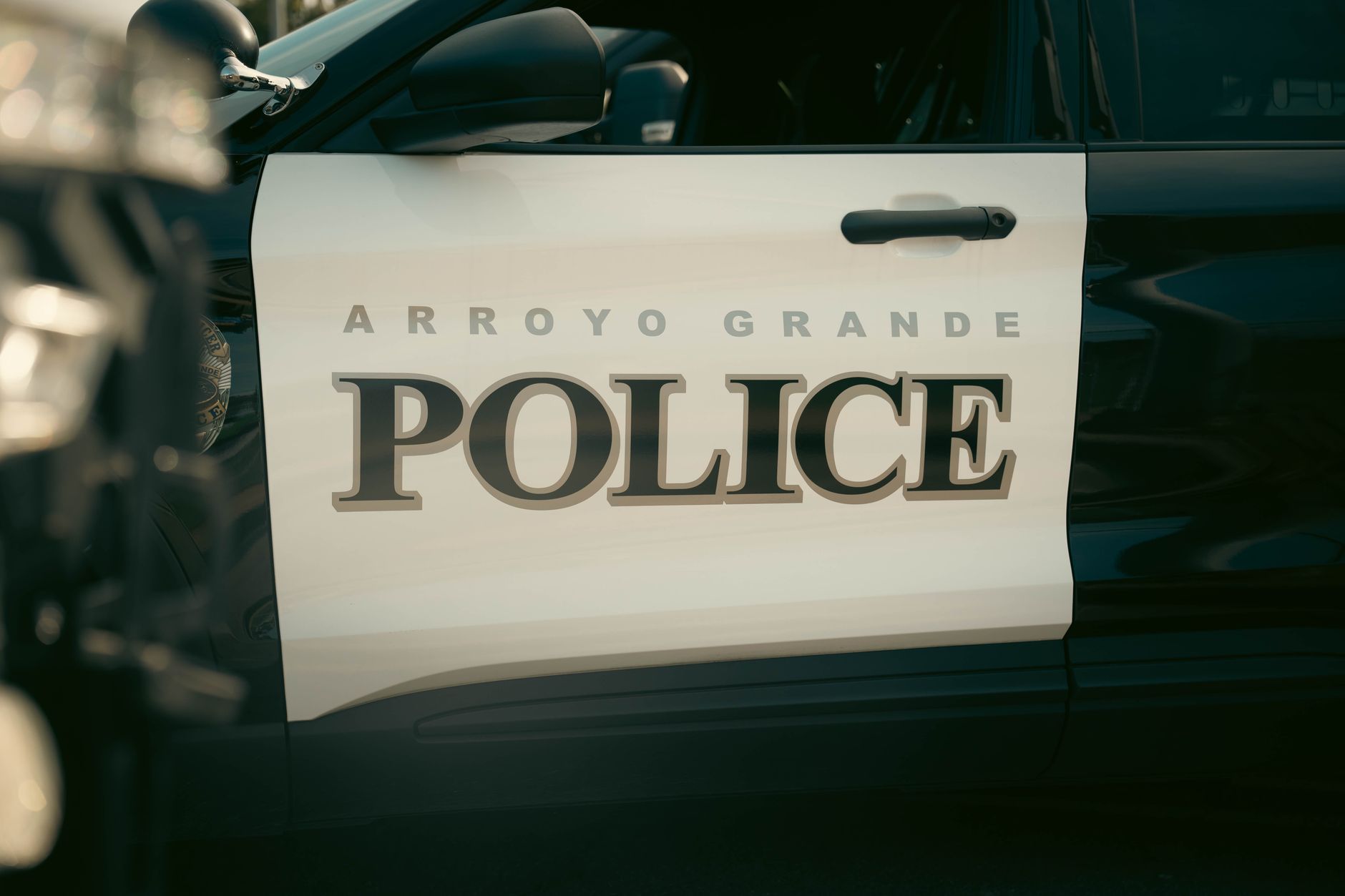
Law enforcement vehicles need clear and recognizable visual markings to support public identification and operational communication. Their appearance plays an important role in helping community members distinguish official vehicles during routine patrols, traffic management, and emergency response activities. Professionally designed police vehicle graphics combine recognizable lettering, appropriate colors, reflective materials, and carefully planned layouts to create vehicles that are easy to identify in different environments.
The Importance of Clear Police Vehicle Identification
Police vehicles serve a public-facing purpose, and their graphics should communicate authority and identification without confusion. Clearly displayed department names, official markings, and vehicle identification elements help members of the public recognize law enforcement vehicles.
Consistent graphics across a fleet also create a coordinated appearance. When patrol cars, SUVs, and other department vehicles share similar design elements, they become easier to recognize as part of the same organization.
Clear identification can be especially important in busy streets, public events, and situations where quick recognition is necessary. Well-positioned markings help ensure that important information remains visible from different viewing angles.
Designing Graphics for Visibility
Visibility is one of the most important considerations when developing graphics for police vehicles. Lettering, symbols, and other visual elements should be large enough to read while maintaining a balanced overall appearance.
Color contrast helps important markings stand out against the vehicle’s exterior. Designers may consider the vehicle’s base color, available panel space, lighting conditions, and the distance from which the graphics are expected to be viewed.
The layout should avoid unnecessary visual clutter. Department identification and other essential markings need sufficient space so that people can recognize them quickly. Careful placement also helps prevent vehicle features such as door handles, windows, and panel gaps from interfering with important information.
Reflective Materials and Nighttime Recognition
Police vehicles may operate during daylight, nighttime, and poor weather conditions. Reflective materials can improve the visibility of selected markings when illuminated by headlights or other light sources.
Reflective lettering and graphic elements can help make a vehicle more noticeable in low-light environments. The choice of material should consider the intended application, durability requirements, and relevant department specifications.
Different reflective finishes provide different visual effects. Selecting suitable materials requires attention to the vehicle’s design, operational needs, and applicable regulations. Proper application is also essential for maintaining a consistent appearance.
Custom Graphics for Different Police Vehicles
Law enforcement departments may operate several types of vehicles, including sedans, SUVs, pickup trucks, and specialized units. Each vehicle presents different design challenges because of its size, body shape, and available surface area.
Custom graphics allow markings to be adapted to these differences while maintaining a consistent department identity. A design created for a sedan may need adjustments before it can be applied to a larger SUV or truck.
Fleet-wide design standards can help ensure that every vehicle follows the same visual guidelines. Consistent typography, colors, logo placement, and identification details contribute to a professional appearance across the department.
Choosing Durable Materials and Professional Installation
Police vehicles often experience frequent use and exposure to changing outdoor conditions. Their graphics should be made from suitable materials that can withstand regular cleaning, sunlight, rain, and everyday road conditions.
Quality vinyl materials are commonly used for vehicle lettering and graphics because they can be cut and applied in different shapes and sizes. Material selection should account for the vehicle’s surface, expected usage, and desired finish.
Professional installation helps ensure that graphics are correctly aligned and applied smoothly. Proper surface preparation can reduce problems such as bubbles, wrinkles, and premature lifting. Accurate installation also helps maintain the readability and appearance of official markings.
Maintaining Police Vehicle Graphics
Regular inspection helps keep vehicle graphics clear and presentable. Departments should check for fading, scratches, peeling edges, and other visible damage. Cleaning should follow suitable care instructions to protect the materials and maintain their appearance.
Damaged or difficult-to-read markings may need attention to preserve consistent vehicle identification. Maintaining graphics across an entire fleet also helps departments present a coordinated and professional image.
Supporting Professional Identification on the Road
Police vehicle graphics are an important part of law enforcement vehicle design. Clear identification, thoughtful layouts, reflective elements, and durable materials all contribute to visibility and recognition.
By considering vehicle type, operational requirements, and consistent department branding, agencies can create graphics that support a professional appearance. Careful design and regular maintenance help ensure that police vehicles remain recognizable in a variety of conditions.
The Short Version
- Law enforcement vehicles require clear and recognizable visual markings for public identification and operational communication.
- Professionally designed police vehicle graphics utilize recognizable lettering, appropriate colors, reflective materials, and balanced layouts to enhance visibility.
- Clear identification on police vehicles is crucial in busy environments to ensure that the public can quickly recognize law enforcement.
- Reflective materials improve the visibility of police vehicle markings during nighttime and poor weather conditions.
- Custom graphics are essential for adapting police vehicle designs to different types of vehicles while maintaining a consistent department identity.
- Regular inspection and maintenance of police vehicle graphics are necessary to keep them clear, presentable, and consistent across the fleet.