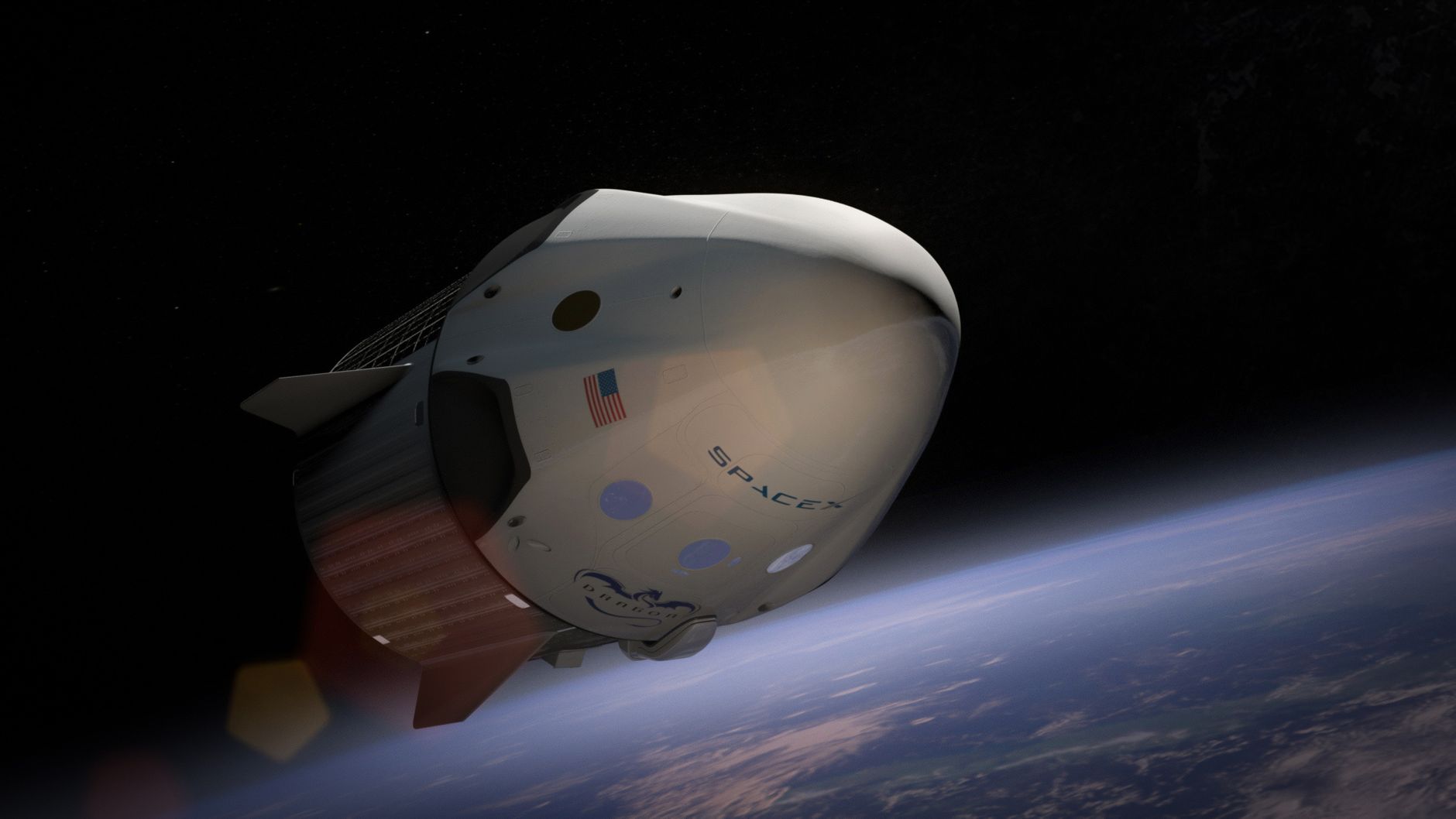
NVS-03 satellite launch is a highly anticipated event scheduled for October 30, 2026. This mission promises to showcase advanced technology in space exploration.
What is the NVS-03 satellite?
The NVS-03 satellite is a state-of-the-art addition to India’s navigation satellite system, designed to enhance the country’s capabilities in space technology. This satellite is part of the NavIC (Navigation with Indian Constellation) program, which aims to provide accurate positioning information to users across India and surrounding regions.
NVS-03 is equipped with advanced features that distinguish it from its predecessors. Key specifications of the satellite include:
- Frequency Band: It operates in the L5 frequency band, which is known for its improved accuracy and resilience against interference.
- Enhanced Services: The satellite will provide high-precision positioning services to both civilian and military users.
- Improved Lifetime: NVS-03 is designed to have a longer operational life, ensuring consistent service for many years.
- Technological Advancements: Incorporating the best proven technology for space, it includes modernized atomic clocks that enhance performance.
As part of the ongoing efforts to strengthen India’s space infrastructure, the NVS-03 satellite launch, scheduled for October 30, 2026, is anticipated to mark a significant milestone in the nation’s pursuit of self-reliance in navigation and satellite technology.
Key features of the NVS-03 mission
The NVS-03 satellite launch represents a significant step forward in space technology, showcasing several key features that underline its importance in the field of satellite navigation.
- Advanced Payload: The satellite is equipped with a state-of-the-art payload designed to enhance navigation accuracy and reliability.
- Robust Architecture: NVS-03 boasts a robust design that ensures longevity and resilience against harsh space conditions.
- Enhanced Signal Strength: With improved signal transmission capabilities, the satellite will provide better coverage and connectivity for users across various regions.
- Multiple Frequency Bands: This mission utilizes multiple frequency bands to allow for precise positioning and improved service availability.
- Interoperability: The NVS-03 is designed to work seamlessly with existing satellite navigation systems, enhancing user experience and integration.
- Innovative Technology: The satellite incorporates cutting-edge technology that has been rigorously tested, ensuring that it meets the highest standards of performance in orbit.
Overall, the NVS-03 satellite launch not only promises to deliver improved navigation services but also sets a benchmark for future space missions, establishing a reliable framework for satellite-based navigation solutions.
Timeline for the NVS-03 satellite launch
The timeline for the NVS-03 satellite launch has been established, marking a significant milestone in space exploration. This launch is set for October 30, 2026, and is anticipated to utilize the best proven technology for space. The preparation phase is already underway, as engineers and scientists work diligently to ensure that every aspect of the mission is meticulously planned and executed.
Key dates leading up to the launch include:
- 2024: Finalization of satellite design and systems integration.
- 2025: Commencement of rigorous testing protocols to assess satellite performance in various simulated conditions.
- Mid-2026: Launch vehicle selection and integration with the NVS-03 satellite.
- October 30, 2026: Scheduled launch date for the NVS-03 satellite.
As the date approaches, ongoing collaboration among various space agencies and private sector partners will play a crucial role in the success of the NVS-03 satellite launch. With a focus on cutting-edge technology and innovative practices, this mission aims to enhance our understanding of space and improve communication systems on Earth.
Importance of satellite technology in space
The significance of satellite technology in space exploration cannot be overstated. Satellites play a crucial role in enhancing our understanding of the universe and improving life on Earth. With advancements in technology, the upcoming NVS-03 satellite launch promises to showcase the best proven technologies available for monitoring and communication.
Satellite technology has transformed various sectors, including:
- Weather forecasting: Satellites provide real-time data that helps predict weather patterns, leading to better preparedness for natural disasters.
- Global positioning: Navigation satellites have revolutionized transportation and logistics, making it easier for individuals and businesses to operate efficiently.
- Telecommunications: Satellites facilitate communication across vast distances, enabling connectivity in remote areas and supporting global communication networks.
- Earth observation: Satellites monitor environmental changes, aiding in disaster management and resource management initiatives.
As we approach the NVS-03 satellite launch on October 30, 2026, the importance of integrating advanced satellite technology into our infrastructure becomes increasingly evident. This mission will not only enhance data collection capabilities but also contribute to scientific research and technological innovation in satellite applications.
Future missions following NVS-03
As the world anticipates the NVS-03 satellite launch, plans for future missions are already taking shape. The success of the NVS-03 mission is expected to pave the way for a new era of satellite technology and exploration.
Following the NVS-03 satellite launch, several key missions are on the horizon, aimed at enhancing our understanding of space and improving global navigation systems. These include:
- NVS-04 Mission: Scheduled for 2028, this mission will build upon the advancements made by NVS-03 and will include additional payloads designed for deep-space communication.
- Earth Observation Satellites: A series of launches planned for 2029 and beyond will focus on environmental monitoring and disaster management, utilizing the technology proven in the NVS-03 mission.
- Interplanetary Missions: Future missions targeting Mars and beyond are also being considered, leveraging the data and experiences gathered from the NVS-03 satellite launch.
These upcoming projects showcase a commitment to expanding satellite capabilities and enhancing global technological infrastructure. With each new mission, the potential for scientific discovery grows, offering exciting prospects for international collaboration and advancements in space exploration.