
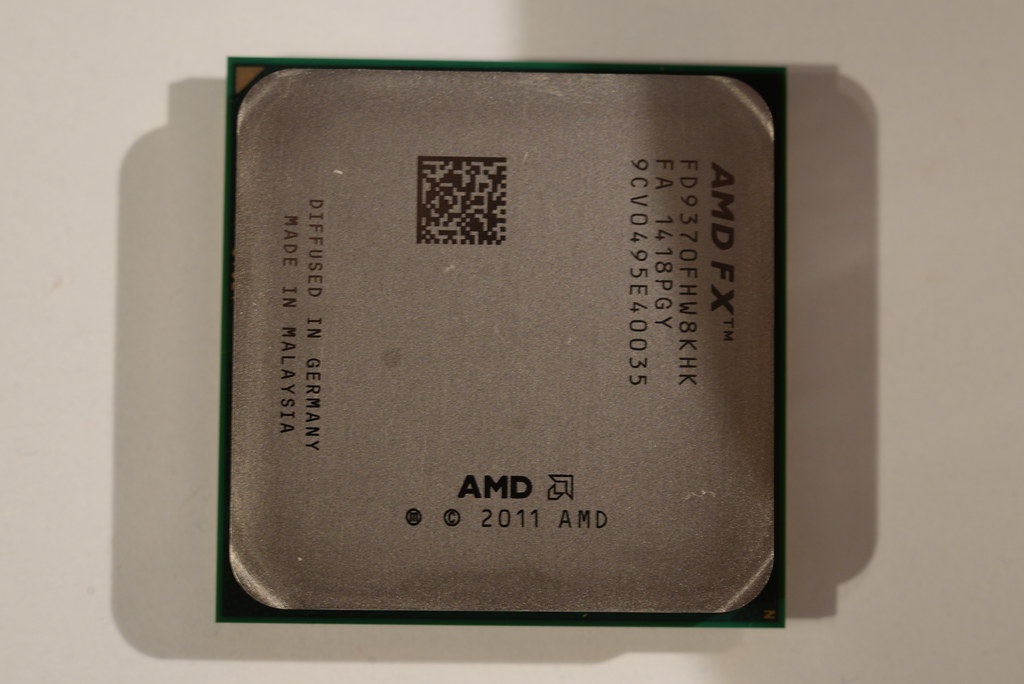
Samsung AI chip development is gaining momentum with financial backing from Tesla and Nvidia. This collaboration could reshape the landscape of artificial intelligence technology.
Overview of Samsung’s AI Chip Initiative
Samsung has embarked on a significant initiative to develop its own AI chip technology, aiming to enhance its competitive edge in the semiconductor market. This move comes as tech giants like Tesla and Nvidia reportedly invest in Samsung’s AI chip substrate development, signaling a strategic partnership.
The initiative focuses on creating advanced AI chips that can meet the growing demands of various industries, particularly in autonomous driving and machine learning applications. With the rapid evolution of AI technology, Samsung’s entry into this arena could reshape the landscape of semiconductor production.
Key features of Samsung’s AI chip initiative include:
- High Performance: Targeting superior processing capabilities to support complex AI algorithms.
- Energy Efficiency: Aims to minimize power consumption while maximizing output.
- Scalability: Designed to adapt to various applications, from consumer electronics to automotive sectors.
As Samsung positions itself as a key player in the AI chip market, the collaboration with Tesla and Nvidia could pave the way for groundbreaking advancements, potentially making the Samsung AI chip a critical component in future technological innovations.
Tesla and Nvidia’s Role in Funding
Recent reports indicate that both Tesla and Nvidia are playing pivotal roles in funding Samsung’s AI chip substrate initiative. This collaboration could redefine the landscape of artificial intelligence as both companies seek to enhance their technological capabilities.
By investing in Samsung’s AI chip development, Tesla aims to integrate advanced processing power into its autonomous driving systems, enhancing the overall safety and efficiency of its vehicles. Meanwhile, Nvidia, known for its powerful GPUs, sees this partnership as a pathway to further optimize its AI models, ensuring they remain at the forefront of the market.
The financial backing from these tech giants not only provides Samsung with the necessary resources but also aligns their interests with the growing demand for high-performance AI chips. As AI applications expand across various industries, the potential rewards for all parties involved could be significant.
In summary, the collaboration between Tesla, Nvidia, and Samsung represents a strategic move in the competitive AI landscape. With the development of Samsung’s AI chip, the industry may witness groundbreaking advancements that could reshape future technologies.
Impact on the AI Industry
The introduction of the Samsung AI chip is poised to significantly impact the AI industry, particularly in the realms of automotive and high-performance computing. With Tesla and Nvidia backing this initiative, the potential for innovation is substantial.
Key factors influencing the industry include:
- Increased Competition: The collaboration between Samsung, Tesla, and Nvidia is likely to drive other companies to enhance their own AI capabilities. This competition can lead to faster advancements in technology.
- Cost Efficiency: The Samsung AI chip aims to reduce production costs for AI applications, making cutting-edge technology more accessible to a wider range of developers and businesses.
- Scalability: With a focus on scalable solutions, the Samsung AI chip could enable companies to deploy AI at a larger scale, enhancing efficiency across multiple sectors.
- Integration with Existing Systems: The chip’s design may allow for smoother integration with existing hardware, benefiting companies already invested in AI technologies.
As the Samsung AI chip makes its debut, the ripple effects on the AI ecosystem will be closely monitored by industry analysts and competitors alike.
Challenges Facing AI Chip Development
The development of the Samsung AI chip presents several challenges that could impact its success in the competitive market. Firstly, technical hurdles remain significant. Designing an AI chip that can compete with established players like Tesla and Nvidia requires advanced engineering and innovative approaches to optimize performance and energy efficiency.
Moreover, financial constraints may arise as funding from Tesla and Nvidia may not be sufficient to cover the extensive research and development costs. The rapid pace of AI technology evolution necessitates continuous investment, which could strain resources and delay production timelines.
Additionally, market competition creates a challenging landscape. Tesla and Nvidia have already established robust ecosystems around their AI chips, making it difficult for Samsung to carve out a significant market share. The familiarity of developers and manufacturers with existing platforms can hinder Samsung’s efforts to gain traction.
Finally, regulatory and supply chain issues could also pose obstacles. As the demand for AI chips grows, ensuring compliance with international standards and managing supply chain logistics will be crucial for Samsung to achieve its ambitious goals in the AI sector.
Future Prospects for Samsung’s Technology
The future prospects for Samsung’s AI chip technology appear promising, particularly in the context of its collaboration with industry giants Tesla and Nvidia. As these companies invest in Samsung’s AI chip initiative, the potential for groundbreaking advancements in artificial intelligence becomes increasingly viable.
One of the most significant advantages of Samsung’s AI chip development is its alignment with growing market demands. With the surge in AI applications across various sectors, including automotive and consumer electronics, the need for efficient and powerful processing units is more critical than ever. Samsung aims to position itself as a leader in this competitive landscape.
However, the journey ahead is not without its challenges. To maintain a competitive edge, Samsung must focus on:
- Enhancing chip performance and energy efficiency
- Investing in research and development to foster innovation
- Building strategic partnerships with tech companies
As the tech industry evolves, Samsung’s AI chip could play a pivotal role in shaping the future of artificial intelligence, potentially influencing how companies like Tesla and Nvidia harness this technology.
Competitive Landscape in AI Chips
The competitive landscape in AI chips is evolving rapidly, with major players vying for dominance in a market that is expected to grow exponentially. As Samsung enters the arena with its new AI chip initiative, it poses a significant challenge to established companies like Tesla and Nvidia, who have traditionally led the sector.
While Tesla focuses on integrating advanced AI capabilities into its vehicles, Nvidia has been a leader in graphics processing units that power AI applications. The collaboration between these companies and Samsung raises questions about the future dynamics of the industry. Key factors influencing this competition include:
- Innovation: Continuous advancements in chip design and architecture are crucial.
- Cost Efficiency: Companies must balance performance with affordability to attract a broader customer base.
- Market Demand: The increasing need for AI-driven solutions in various sectors drives competition.
The entrance of Samsung with its AI chip could reshape partnerships and rivalries, making it a pivotal player. As the landscape changes, the implications for both Tesla and Nvidia could be profound, prompting them to reassess their strategies in light of Samsung’s new offerings.
Conclusion: What This Means for Consumers
In conclusion, the emergence of the Samsung AI chip has significant implications for consumers and the broader technology landscape. As major players like Tesla and Nvidia invest in this initiative, it signals a shift towards more advanced and efficient AI solutions that could enhance everyday devices.
Consumers can expect to see improvements in various applications, ranging from smarter home devices to more responsive automotive technologies. The integration of Samsung’s AI chip into consumer electronics may lead to:
- Enhanced Performance: Devices powered by advanced AI chips can process data faster, resulting in smoother user experiences.
- Improved Efficiency: AI-driven systems can optimize energy consumption, thus reducing costs and environmental impact.
- Innovative Features: With superior processing capabilities, new functionalities and services will likely emerge, making devices more intuitive.
However, it is essential for consumers to remain aware of the challenges that accompany this technology, such as privacy concerns and the need for robust security measures. Overall, the Samsung AI chip initiative represents a promising advancement that could reshape consumer technology and enhance daily life.
The Samsung AI chip has the potential to revolutionize the way Tesla and Nvidia approach artificial intelligence in their products. As the tech industry evolves, the integration of the Samsung AI chip could be a game changer for both companies.
By THE Holy Hand Grenade! via Openverse