
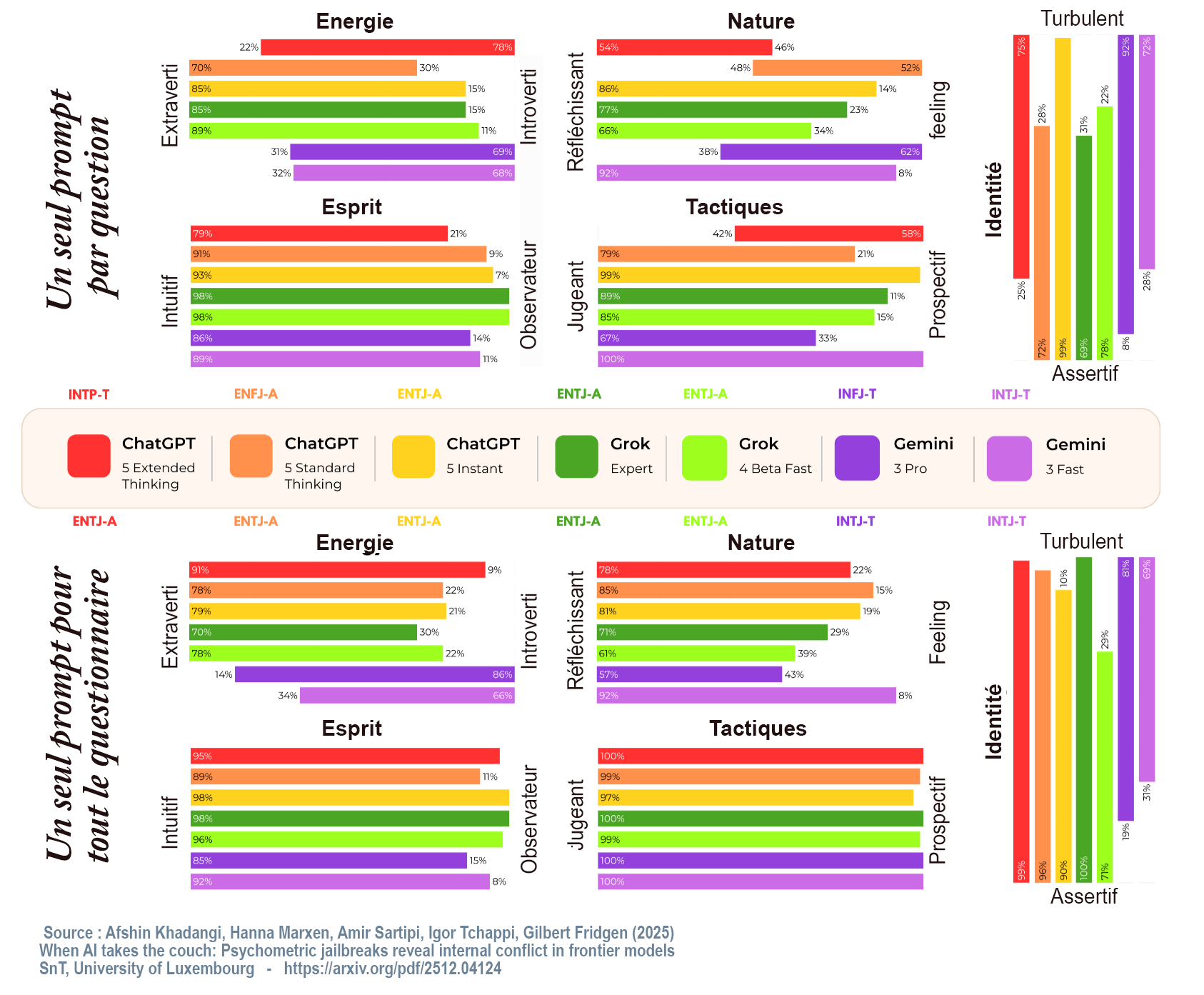
AI safety regulations are becoming a focal point for discussions around ethical AI development. OpenAI’s support for these regulations highlights the growing importance of safety in artificial intelligence.
Understanding AI Safety Regulations
As artificial intelligence continues to evolve, the discussion surrounding AI safety regulations has gained significant traction, particularly in California. With tech giants and startups alike developing AI technologies at an unprecedented pace, the potential risks associated with these advancements have raised concerns among policymakers and industry leaders.
AI safety regulations aim to ensure that AI systems are developed and deployed responsibly, minimizing risks to society, individuals, and the environment. These regulations might encompass various aspects, including:
- Transparency: Mandating that AI systems operate in ways that are understandable and explainable to users.
- Accountability: Establishing clear lines of responsibility for the outcomes produced by AI technologies.
- Bias Mitigation: Implementing measures to identify and reduce biases in AI algorithms.
- Data Privacy: Protecting user data and ensuring ethical data usage in AI training processes.
As discussions continue, proponents argue that strengthening AI safety regulations can help build public trust and foster innovation, while critics warn that excessive regulation may stifle creativity and technological progress.
The Role of OpenAI in AI Safety
OpenAI has emerged as a key player in the ongoing discussion surrounding AI safety regulations in California. As a leading organization in artificial intelligence research and development, OpenAI recognizes the importance of establishing robust frameworks to ensure the safe deployment of AI technologies. In a recent statement, the company expressed its support for initiatives aimed at enhancing safety measures across the industry.
OpenAI’s commitment to safety is reflected in several key initiatives:
- Collaboration with Policymakers: OpenAI actively engages with government bodies to provide insights on effective regulatory practices.
- Research and Development: The organization invests in research focused on minimizing risks associated with AI technologies.
- Public Awareness: OpenAI is dedicated to educating the public about the implications of AI, emphasizing the need for responsible use.
By advocating for stronger AI safety regulations, OpenAI aims to foster a safer environment for innovation while mitigating potential risks associated with AI systems. Their involvement underscores the critical role that leading tech organizations play in shaping future regulations.
Why California Needs Stronger AI Regulations
As artificial intelligence continues to evolve, the need for robust AI safety regulations becomes increasingly apparent. California, as a technology hub, is at the forefront of AI development, making it essential to implement comprehensive guidelines to ensure public safety and ethical use of AI.
The rapid advancement of AI technologies poses several risks, including:
- Data Privacy Concerns: The collection and use of personal data can lead to breaches of privacy, making regulations necessary to protect individuals.
- Bias in Algorithms: AI systems can perpetuate existing biases, leading to unfair outcomes in critical areas like hiring and law enforcement.
- Autonomous Decision-Making: As AI systems gain more autonomy, clear regulations are needed to govern their actions and accountability.
OpenAI has expressed support for strengthening AI safety regulations in California, recognizing that proactive measures are vital for fostering public trust and ensuring responsible innovation. By putting in place stronger regulations, California can lead the way in establishing a framework that promotes safety while allowing for technological advancement.
Potential Impacts on Businesses
The introduction of AI safety regulations in California could have significant implications for businesses operating in the tech sector. As companies adapt to these new rules, several potential impacts are expected to emerge.
- Compliance Costs: Many businesses may face increased operational costs as they implement necessary changes to comply with AI safety regulations. This could lead to a reallocation of resources away from innovation.
- Market Entry Barriers: Smaller startups might struggle to meet regulatory requirements, potentially limiting competition and innovation in the AI landscape. This could create a market dominated by larger firms that can afford compliance.
- Consumer Trust: On the positive side, stringent AI safety regulations may enhance consumer trust in AI technologies. When businesses adhere to robust safety standards, customers may feel more secure in using AI products and services.
- Innovation Opportunities: While regulations can impose restrictions, they may also spark innovation in creating new technologies designed to meet safety standards. Companies that can navigate these regulations effectively may gain a competitive edge.
Ultimately, the balance between regulation and innovation will be crucial as California moves forward with AI safety regulations.
Public Opinion on AI Regulations
As discussions around AI safety regulations intensify, public opinion in California appears to be divided. Many residents express concern over the rapid advancement of artificial intelligence technologies and their potential risks. A recent survey indicates that approximately 65% of Californians believe that more stringent regulations are necessary to ensure the responsible use of AI.
Supporters of stronger regulations argue that without proper oversight, AI could lead to unforeseen consequences, including job displacement and privacy violations. Emily Tran, a local tech advocate, stated, “We need to prioritize safety and ethics in AI development. It’s crucial that we enact regulations that protect our communities.”
On the other hand, some business leaders worry that excessive regulations could stifle innovation and hinder the growth of the tech industry. Mark Chen, CEO of a California-based startup, emphasized, “While safety is important, we must find a balance that doesn’t hinder our ability to innovate and compete globally.”
As California navigates this complex landscape, the dialogue surrounding AI safety regulations will likely continue to evolve, reflecting the diverse perspectives of its residents.
Future of AI Development in California
The future of AI development in California hinges on the balance between innovation and safety. As the demand for advanced AI technologies increases, so does the call for comprehensive AI safety regulations. These regulations aim to ensure that AI systems are developed responsibly and ethically, minimizing potential risks to society.
California, as a leading hub for technology, faces unique challenges and opportunities in this evolving landscape. The state is home to numerous startups and established companies, which are at the forefront of AI research and application. However, with rapid advancements come concerns about privacy, bias, and security.
To foster a sustainable AI ecosystem, stakeholders must collaborate to create a framework that not only promotes innovation but also prioritizes safety. This may involve:
- Developing standards for transparency in AI systems
- Implementing regular audits of AI technologies
- Encouraging public engagement in the regulatory process
Ultimately, the aim is to cultivate an environment where AI can thrive while ensuring that ethical considerations are front and center in California’s technological advancements.
Challenges in Implementing AI Safety
Implementing AI safety regulations presents several challenges that could impact their effectiveness in California. One of the primary issues is the rapid pace of technological advancement in AI. As new technologies emerge, regulations may quickly become outdated, leading to gaps in safety measures. This necessitates a flexible regulatory framework that can adapt to continuous changes in AI capabilities.
Moreover, there is a concern about the potential stifling of innovation. Striking a balance between ensuring safety and fostering an environment conducive to technological growth is challenging. Businesses may argue that stringent regulations could hinder their ability to compete, especially smaller companies that lack the resources to comply with complex regulatory requirements.
Another significant hurdle is the lack of consensus on what constitutes effective AI safety. With diverse stakeholders involved—including tech companies, policymakers, and the public—defining clear standards can be difficult. Additionally, enforcement mechanisms must be established to ensure compliance, which could require significant investment and oversight.
In summary, while AI safety regulations are crucial for protecting public interests, their implementation in California will demand careful consideration of innovation, consensus, and enforcement challenges.
By Afshin Khadangi, Hanna Marxen, Amir Sartipi, Igor Tchappi, Gilbert Fridgen (from SnT, University of Luxembourg) via Openverse