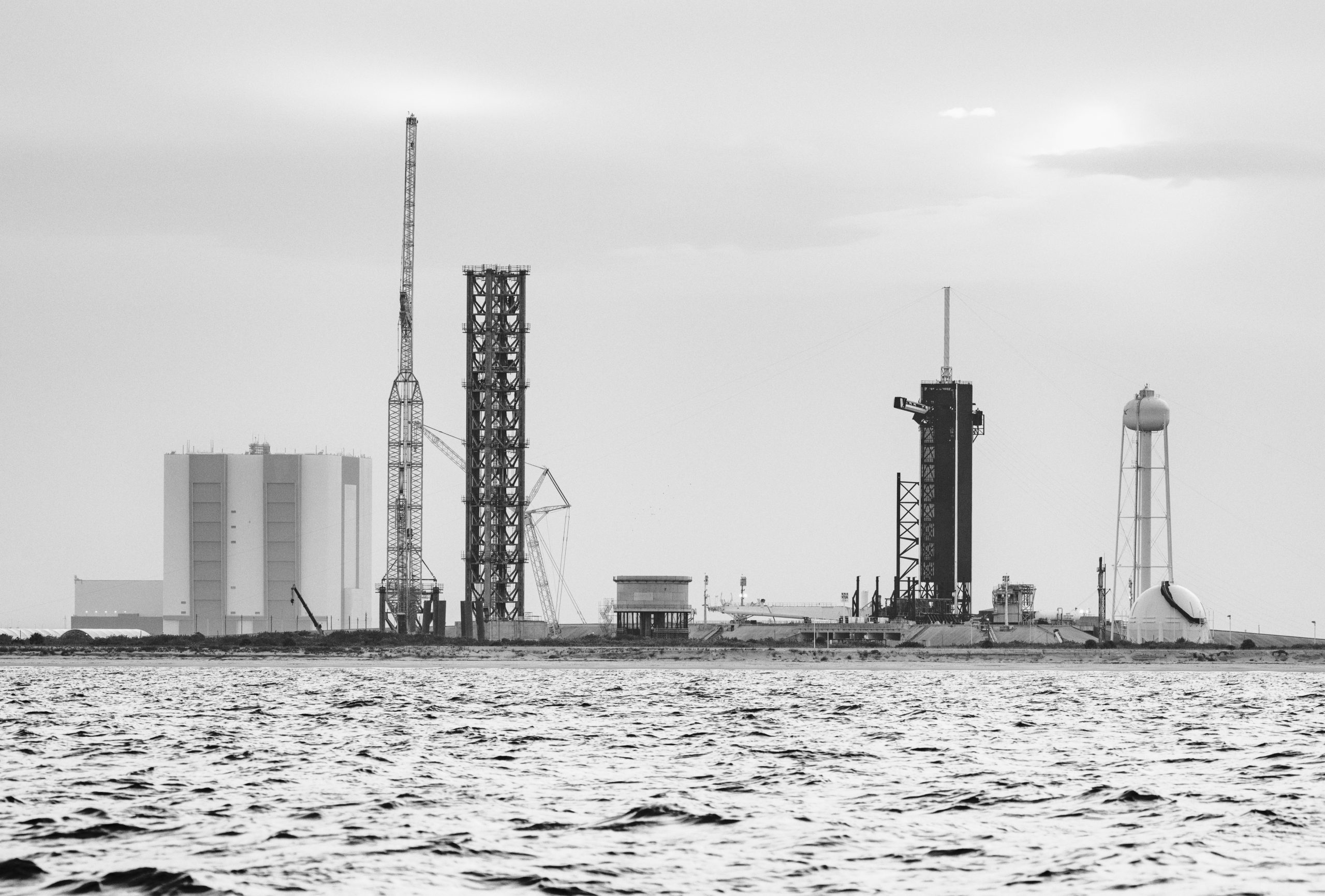
Nuri Rocket Launch results are highly anticipated as the announcement is set for 2 PM. This launch marks a significant milestone in space exploration efforts.
Overview of the Nuri Rocket Launch
The Nuri Rocket Launch, a pivotal event in South Korea’s space exploration efforts, has recently concluded with anticipation building around the results of its mission. Conducted by the Korea Aerospace Research Institute (KARI), the launch aimed to demonstrate the country’s growing capabilities in satellite deployment and space technology.
During the launch, which took place at the Naro Space Center, the Nuri rocket successfully lifted off, marking a significant milestone for South Korea’s ambitions in the aerospace sector. This mission is part of a broader initiative to enhance the nation’s technological prowess and independence in space.
The objectives of the Nuri Rocket Launch included:
- Satellite Deployment: Successfully placing payloads into orbit.
- Data Collection: Gathering vital information on rocket performance and trajectory.
- Technological Validation: Testing new technologies that could be integral to future missions.
As the launch has concluded, officials are set to announce the results of the communication and data gathered during the mission at 2 PM. Enthusiasts and experts alike are eager to learn more about the outcomes and implications of the Nuri Rocket Launch, which could pave the way for future advancements in South Korea’s space exploration endeavors.
What to Expect from the Results
As anticipation builds around the Nuri Rocket Launch, many are eager to understand the implications of the results that are set to be announced. The outcomes of this launch are expected to provide valuable insights into various aspects of space exploration and technology development.
The results will likely encompass several key areas:
- Technical Performance: Observers are keen to evaluate how well the rocket performed during its flight. This includes assessing trajectory accuracy and payload deployment success.
- Data Collection: The mission is expected to gather crucial data that could inform future launches and advancements in rocket technology.
- International Collaboration: The Nuri Rocket Launch is a significant event for the nation, and results may highlight collaborative efforts with international space agencies.
- Public Engagement: The outcomes will also reflect the level of public interest and engagement in space science, potentially inspiring future generations of scientists and engineers.
In summary, the results from the Nuri Rocket Launch are likely to be multifaceted, showcasing the advancements made in aerospace technology and their broader implications for the global scientific community. With an announcement scheduled for 2 PM, all eyes are on the upcoming results.
Significance of Today’s Announcement
The significance of today’s announcement regarding the Nuri Rocket Launch cannot be overstated. This event marks a pivotal moment not only for the South Korean space program but also for the global aerospace community. As nations increasingly invest in their space capabilities, the results from this launch are anticipated with great interest.
Experts believe that the outcomes of the Nuri Rocket Launch will provide critical insights into the technology and methodologies employed in modern rocketry. This could lead to:
- Advancements in Satellite Deployment: The success of the Nuri Rocket will enhance South Korea’s ability to deploy satellites for various applications, including communication and Earth observation.
- Increased International Collaboration: Positive results could foster partnerships with other countries and private entities, promoting joint ventures in space exploration.
- Boosting Local Economy: A successful launch could stimulate the domestic aerospace sector, creating jobs and encouraging innovation.
Moreover, the announcement will set the tone for future projects and missions, as stakeholders will closely monitor the implications of today’s results. The potential for progress in space technology and exploration makes this a significant milestone for South Korea and the broader scientific community.
Technical Details of the Launch
The recent Nuri Rocket Launch has captured the attention of the aerospace community with its impressive technical specifications and mission objectives. The launch vehicle, developed by the Korea Aerospace Research Institute (KARI), is designed to enhance South Korea’s capabilities in space exploration.
Key technical details of the Nuri Rocket Launch include the following:
- Height: The rocket stands at 47.2 meters, making it one of the tallest in its class.
- Weight: The total launch mass is approximately 200 tons, which allows for a significant payload capacity.
- Engine Configuration: The Nuri is powered by six KRE-075 engines, providing a thrust of 75 tons each, enabling the rocket to achieve a low Earth orbit.
- Payload Capacity: It can carry a payload of up to 1.5 tons to a 600-kilometer orbit, facilitating a range of scientific and commercial missions.
- Launch Site: The vehicle was launched from the Naro Space Center, situated on the coast of Goheung.
As the world awaits the results of the Nuri Rocket Launch, experts are particularly interested in the data transmitted during the ascent phase, which will be critical for assessing the mission’s overall success and future implications for South Korea’s space program.
Reactions from the Space Community
The recent completion of the Nuri Rocket Launch has sparked a wave of reactions from the global space community, eagerly awaiting the results that are set to be announced at 2 PM. Experts and enthusiasts alike have taken to social media and forums to share their thoughts on the mission’s implications.
- Optimism for Future Missions: Many in the aerospace industry view the Nuri Rocket Launch as a pivotal moment for advancing South Korea’s position in space exploration. A successful outcome could pave the way for more ambitious projects, including potential collaborations with international space agencies.
- Technical Excitement: Engineers and scientists are particularly focused on the results related to communication systems tested during the launch. These technical details could provide valuable insights into the rocket’s performance and reliability for future missions.
- Public Engagement: The launch has also generated significant public interest, with many citizens expressing pride in their country’s achievements in space technology. This engagement is seen as essential for fostering a new generation of scientists and engineers.
- Concerns and Critiques: While there is widespread enthusiasm, some experts have raised concerns about the sustainability and funding of future projects. They emphasize the need for long-term planning to ensure continued success in space endeavors.
As the clock ticks down to the announcement, the anticipation only grows, with the Nuri Rocket Launch standing as a testament to progress and innovation in the field of aerospace.
Future of Korean Space Missions
The successful Nuri Rocket launch marks a pivotal moment for the future of Korean space missions. As South Korea continues to develop its space capabilities, the implications of today’s launch extend far beyond mere technological advancement.
Experts believe that the Nuri Rocket launch could serve as a launching point for various future initiatives, including:
- Satellite Deployment: The ability to send satellites into orbit will enhance communication and data collection capabilities, supporting both commercial and scientific endeavors.
- International Collaboration: With its increasing proficiency in space technology, South Korea is positioned to engage in more collaborative projects with global space agencies.
- Research and Development: The insights gained from the Nuri Rocket launch will likely fuel further research, encouraging innovation within the domestic aerospace sector.
- Education and Outreach: Increased interest in space exploration can inspire the next generation of scientists and engineers, fostering a robust educational ecosystem around space sciences.
As the results from the Nuri Rocket launch are awaited, the success of this mission could potentially set the stage for South Korea’s ambitions to establish a more significant presence in the international space community. The focus now turns to how these developments will unfold in the months and years to come.