
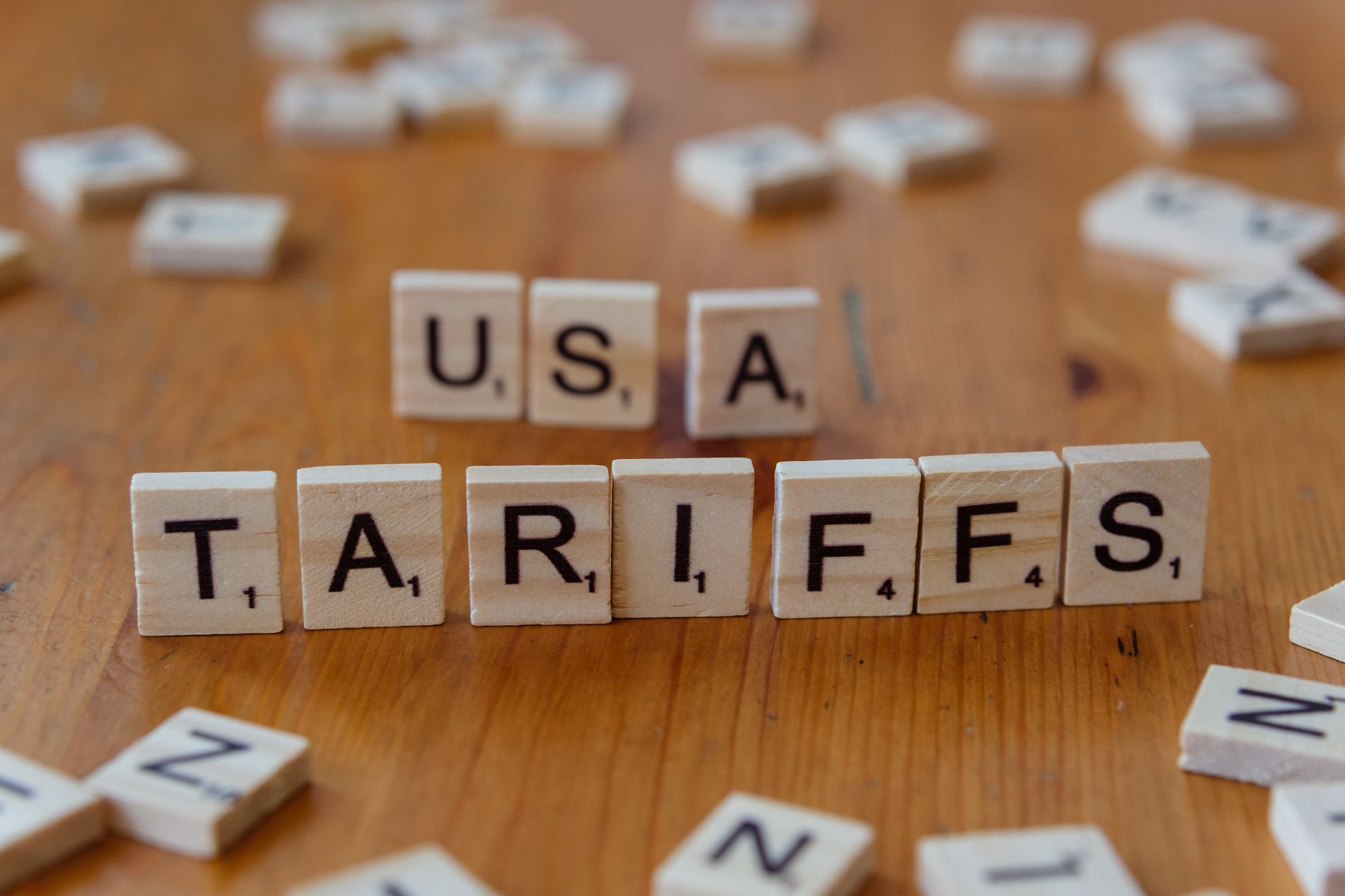
US tariff policy is facing strong opposition from the Cuban envoy to India, who criticizes its use for political reasons. This stance highlights the complexities of international trade and diplomacy.
Understanding US Tariff Policy
The US tariff policy has become a focal point of international discussions, especially as it relates to political motivations behind such economic measures. A recent statement from the Cuban envoy to India highlighted concerns regarding the use of tariffs as tools for political leverage. This approach raises questions about the effectiveness and fairness of such policies.
Critics argue that imposing tariffs for political reasons can lead to unintended consequences, including:
- Economic Disruption: Tariffs can disrupt supply chains and increase costs for consumers.
- Retaliation: Other countries may respond with their own tariffs, escalating trade tensions.
- Impact on Diplomacy: Utilizing tariffs as political tools may hinder constructive dialogue between nations.
In light of these concerns, it is crucial to evaluate the broader implications of US tariff policy. Rather than addressing underlying issues, such tactics may complicate international relations and impact global economic stability.
Cuban Envoy’s Perspective
The Cuban envoy to India has expressed strong opposition to the current US tariff policy, particularly when it is used as a tool for political leverage. In a recent statement, the envoy highlighted the detrimental effects such policies can have on international relations and trade.
According to the envoy, the imposition of tariffs for political reasons undermines the principles of fair trade and cooperative diplomacy. They argued that this approach not only harms the targeted nations but also adversely affects the global economy.
The envoy emphasized the importance of dialogue and negotiation over punitive measures, stating:
- “Tariffs disrupt the flow of goods and services, leading to increased costs for consumers.”
- “Using economic pressure as a political tool is counterproductive and creates unnecessary tensions.”
- “We must prioritize collaboration over confrontation to ensure sustainable growth.”
This perspective underscores the broader concerns regarding the implications of the US tariff policy on international relations.
Impact on India-Cuba Relations
The imposition of tariffs as a political tool significantly affects international relations, particularly between India and Cuba. According to the Cuban envoy to India, the current US tariff policy undermines the spirit of cooperation and mutual respect that should characterize diplomatic interactions. The envoy emphasized that Cuba opposes the use of tariffs for political leverage, viewing such measures as detrimental to economic growth and bilateral relations.
In recent discussions, both nations have expressed a desire to enhance their partnership, focusing on areas such as trade, culture, and technology. However, the ongoing US tariff policy creates barriers that complicate these efforts. The envoy pointed out that these tariffs not only affect Cuba but also have repercussions for India, which seeks to maintain strong ties with both countries.
As India navigates its foreign policy, the impact of US tariffs on its relationships with nations like Cuba remains a critical concern, prompting calls for a reevaluation of how tariffs are used in geopolitical strategies.
Political Implications of Tariffs
The political implications of tariffs have become a focal point in international relations, particularly as countries navigate the complexities of trade and diplomacy. The US tariff policy, often perceived as a tool for political leverage, raises significant concerns among nations affected by these measures.
Critics argue that imposing tariffs for political reasons undermines the principles of fair trade and mutual respect. This perspective is shared by various global leaders, including the Cuban envoy to India, who has publicly opposed such tactics. The envoy emphasized that tariffs should not be weaponized in political disputes, as this approach can strain diplomatic relations and create economic instability.
Furthermore, the reliance on tariffs can lead to retaliatory measures, escalating tensions and complicating negotiations.
- Tariffs can disrupt established trade partnerships.
- They often disproportionately affect lower-income populations.
- Political motivations behind tariffs may hinder long-term economic strategies.
Thus, the evolving US tariff policy continues to provoke debate about its effectiveness and ethical implications in the global political landscape.
Historical Context of US Tariffs
The history of US tariff policy is deeply intertwined with the nation’s economic and political landscape. Tariffs have often been used as tools for both protectionism and revenue generation. Over the years, various administrations have employed tariffs to achieve policy goals, reflecting shifting political ideologies and economic priorities.
In the early 20th century, tariffs were primarily aimed at protecting emerging American industries from foreign competition. However, as global trade dynamics evolved, so too did the rationale behind these tariffs. The Great Depression saw a significant increase in protectionist measures, exemplified by the Smoot-Hawley Tariff Act of 1930, which exacerbated international trade tensions.
In recent decades, the use of tariffs has taken on a new dimension, often linked to broader geopolitical strategies. The current administration’s approach underscores a trend where tariffs are imposed not solely for economic reasons but also for political leverage, raising concerns among global partners. Critics argue that such a US tariff policy could undermine international relationships and disrupt established trade norms.
Trade Wars and Their Consequences
The ongoing trade wars have profound and often unintended consequences, particularly in the context of US tariff policy. As nations engage in retaliatory measures, the economic landscape shifts dramatically, affecting not only trade partners but also domestic markets.
One of the primary consequences of these trade wars includes:
- Increased Prices: Tariffs can lead to higher costs for consumers as businesses pass on the additional expenses associated with imported goods.
- Supply Chain Disruptions: Companies may struggle to find alternative suppliers or adapt to new tariffs, leading to delays and inefficiencies.
- Strained International Relations: Diplomatic ties can suffer as nations retaliate against perceived injustices, undermining long-term alliances.
- Market Volatility: Uncertainty surrounding tariffs can lead to fluctuations in stock markets, impacting investors and retirement funds.
Ultimately, the imposition of tariffs for political reasons, as noted by the Cuban envoy, may prove counterproductive, harming both economic stability and international cooperation.
International Responses to US Policies
The international response to the US tariff policy has been largely critical, especially from nations that feel the brunt of such economic measures. Many countries argue that these tariffs, imposed for political reasons, undermine global trade relationships and promote economic instability.
Cuban officials have been vocal in their opposition, highlighting that tariffs should not be used as a tool for political leverage. According to the Cuban envoy to India, the imposition of tariffs for political reasons only exacerbates tensions and leads to retaliatory measures.
Other nations, particularly those affected by similar tariff strategies, echo these sentiments. They contend that the unilateral approach taken by the US is damaging not only to their economies but also to the principles of fair trade.
In response to the escalating trade tensions, many countries have begun to seek alternative partnerships to mitigate the impacts of US tariff policies. These strategies aim to foster economic resilience and reduce dependency on American markets, showcasing a shift towards more cooperative global trade practices.
Future of US Tariff Strategy
The future of US tariff strategy remains uncertain as the political climate continues to shift. Critics argue that the current approach, which intertwines economic policies with political objectives, may lead to more significant global ramifications. US tariff policy has increasingly been viewed as a tool for enforcing political agendas rather than fostering fair trade practices.
As nations respond to these policies, the potential for escalating trade tensions grows. The Cuban envoy’s recent remarks highlight the concern that such tariffs can exacerbate diplomatic relationships, undermining international cooperation. The envoy emphasized that tariffs imposed for political reasons do not align with the principles of trade equity.
Looking ahead, it is essential for the US to reassess its tariff strategy. Policymakers must consider the broader implications of tariffs on global stability, economic growth, and bilateral relations. A more balanced approach that prioritizes economic interests over political gains may pave the way for healthier international partnerships and restore trust among trading nations.
Photo by Markus Winkler on Pexels