SSD price drops are becoming evident as NAND flash prices fall significantly. This trend could mean exciting savings for consumers looking to upgrade their laptops or invest in new technology.
Understanding NAND Flash Pricing
The recent decline in NAND flash prices has sparked discussions about potential SSD price drops in the consumer market. Understanding the factors influencing these price changes is essential for savvy shoppers looking to upgrade their laptops.
NAND flash memory, a critical component in solid-state drives, has seen a significant price reduction of approximately 20% over the past few months. This decrease can be attributed to several key factors:
- Overproduction: Manufacturers have ramped up production to meet growing demand, leading to an oversupply in the market.
- Technological Advancements: Innovations in manufacturing processes have made it cheaper to produce NAND flash, resulting in lower prices for consumers.
- Market Competition: Increased competition among major players in the SSD market has driven prices down, making SSDs more affordable.
As these trends continue, consumers may benefit from lower prices on SSDs, which can enhance the performance of their laptops. Keeping an eye on NAND flash pricing will be crucial for those looking to take advantage of the current market conditions.
Impact of SSD Price Drops on Consumers
The recent decline in NAND flash prices, with reports indicating a drop of around 20%, has significant implications for consumers looking to purchase laptops. As SSD price drops become more prevalent, buyers can expect to see lower prices on devices equipped with solid-state drives, enhancing both affordability and accessibility.
For many consumers, the cost of storage has been a substantial factor when purchasing a new laptop. The reduction in SSD prices allows for a variety of benefits, including:
- Increased Options: With lower prices, consumers can access a wider range of laptops featuring larger storage capacities and improved performance.
- Enhanced Performance: SSDs offer faster data access and better overall system performance compared to traditional hard drives, making them a preferred choice.
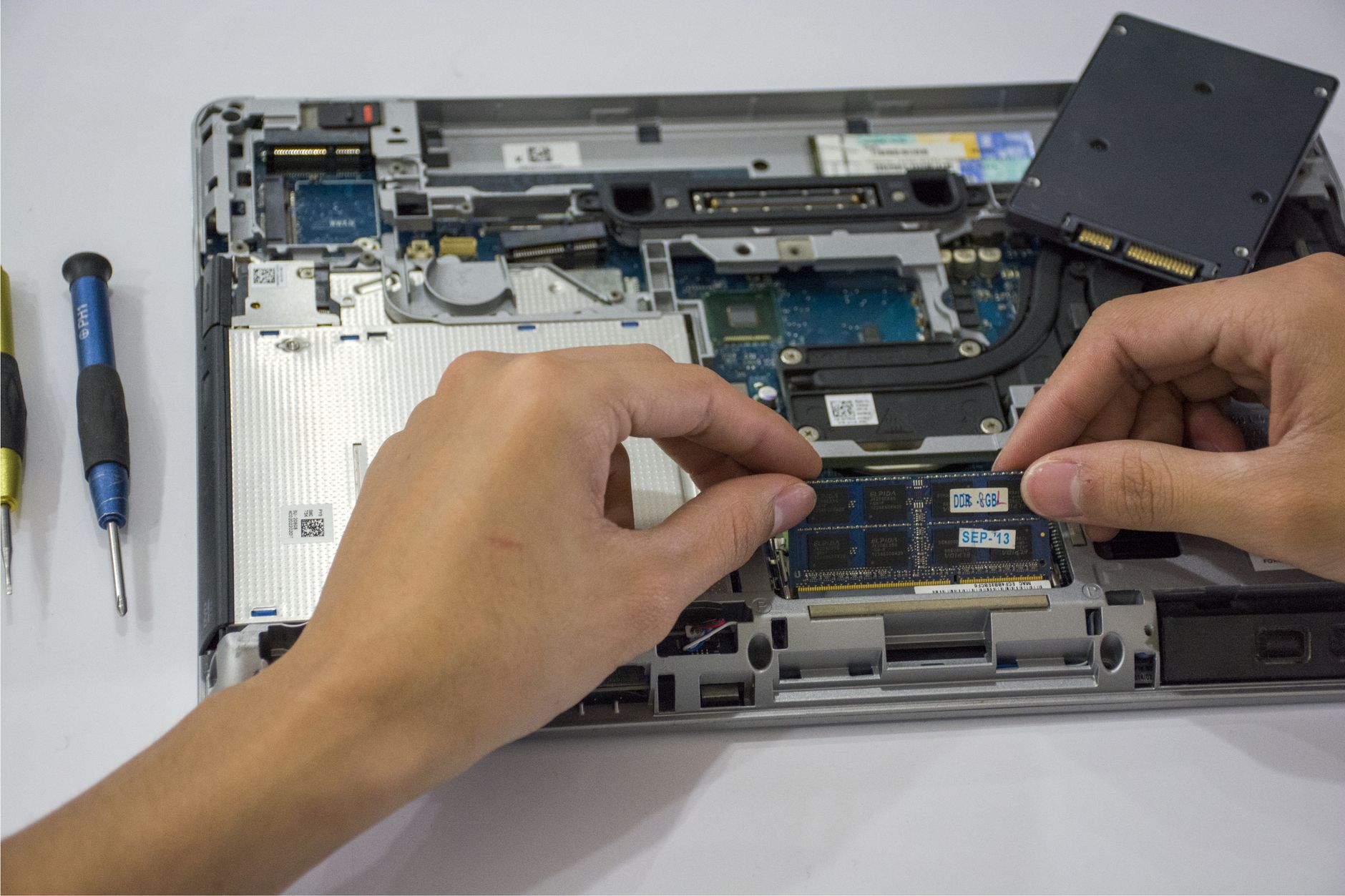
- Budget-Friendly Upgrades: Those looking to upgrade their existing laptops can take advantage of SSD price drops to improve their device’s storage without breaking the bank.
As manufacturers adjust their pricing strategies in response to these market changes, consumers may find that investing in a new laptop becomes a more realistic option, ultimately revolutionizing the way they interact with technology.
Best Time to Buy a New Laptop
When considering the purchase of a new laptop, timing can significantly influence the overall cost. With recent trends indicating SSD price drops, consumers are in a favorable position to save money on their next device. Here are some key points to keep in mind:
- Seasonal Sales: Major retailers often hold sales during holidays and back-to-school periods, making these times ideal for purchasing laptops at reduced prices.
- New Model Releases: Keep an eye on announcements from major laptop manufacturers. When new models are released, older versions often see significant price reductions.
- End of Financial Quarters: Retailers might offer discounts at the end of a quarter to clear out inventory, presenting another opportunity to snag a good deal.
- Monitor SSD Price Trends: Staying informed about SSD price drops can help consumers make decisions about when to buy laptops, especially if they prioritize storage performance.
By strategically timing your purchase and being aware of market trends, you can take advantage of SSD price drops, ensuring you get the best value for your new laptop.
How SSD Prices Affect Performance
The recent trends in SSD price drops are not only beneficial for consumers but also have significant implications for performance in laptops. As the cost of SSDs decreases, manufacturers are more likely to integrate higher-capacity drives into their devices.
This shift can lead to several advantages:
- Increased Storage Capacity: With lower SSD prices, laptops can feature larger storage options, allowing users to store more applications, files, and media without running out of space.
- Enhanced Speed: SSDs offer faster data access speeds compared to traditional hard drives. As prices fall, even budget-friendly laptops are more likely to include SSDs, resulting in quicker boot times and improved overall system responsiveness.
- Better Multitasking: A faster SSD can significantly enhance a laptop’s ability to handle multiple applications simultaneously, providing a smoother user experience.
- Longer Lifespan: SSDs are generally more durable than hard drives, meaning that laptops equipped with SSDs can have a longer usable life, further justifying the investment.
In summary, the effects of SSD price drops can positively impact performance, making it an ideal time for consumers to consider upgrading their laptops.
Future Trends in SSD Pricing
The future of SSD pricing seems promising, with analysts predicting continued declines in prices. Recent reports indicate that NAND flash prices have fallen by approximately 20%, suggesting that SSD price drops could become a regular trend as supply chains stabilize and production costs decrease.
Several factors are expected to influence these changes:
- Technological Advancements: As manufacturers develop more efficient production methods and transition to newer memory technologies, the cost of producing SSDs may decrease.
- Increased Competition: With more companies entering the SSD market, competitive pricing strategies might lead to lower prices for consumers.
- Market Demand: The growing demand for faster storage solutions in laptops and other devices could push manufacturers to lower prices to capture a larger market share.
As consumers become more aware of the SSD price drops, it is likely that many will prioritize upgrading their devices. This could lead to more budget-friendly options becoming available, ultimately enhancing the overall user experience. Keeping an eye on these trends will help shoppers make informed decisions as they navigate the evolving landscape of laptop storage solutions.
Photo by Elias Gamez on Pexels