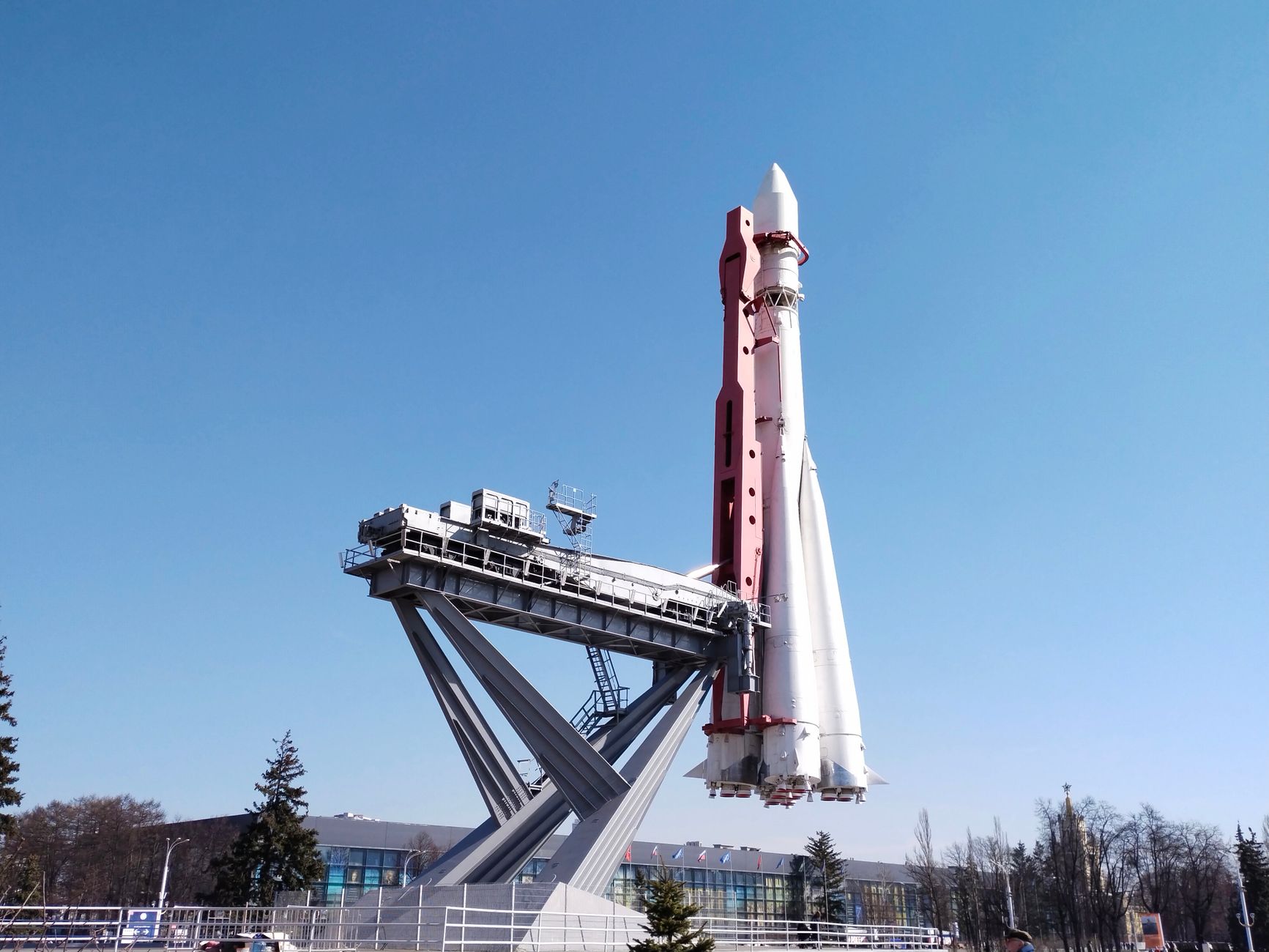

SpaceX Starship launch is poised to revolutionize space travel with its first-ever orbital mission. This groundbreaking event marks a significant milestone for the company and the future of space exploration.
Overview of SpaceX’s Starship
SpaceX has made significant strides in its quest for orbital travel with the development of the Starship. This fully reusable spacecraft is designed to carry both crew and cargo to a variety of destinations, including the Moon and Mars. The upcoming SpaceX Starship launch marks a pivotal moment in the company’s ambitious plans to revolutionize space travel.
Starship is equipped with advanced technology that enhances its capabilities, including:
- High payload capacity: The spacecraft can transport large amounts of cargo, making it suitable for deep-space missions.
- Reusability: Designed to be reused multiple times, Starship aims to lower the cost of access to space.
- In-orbit refueling: This feature allows Starship to extend its range, enabling missions that could venture beyond Earth’s orbit.
As SpaceX prepares for this historic launch, the world watches closely, anticipating the potential advancements in space exploration and the possibilities for future missions beyond our planet.
Importance of the First Orbital Launch
The significance of the SpaceX Starship launch cannot be overstated, as it marks a pivotal moment in the evolution of space travel. This first orbital launch is not just a test; it’s a demonstration of the potential for routine access to space.
Achieving a successful launch will pave the way for numerous advancements in various fields:
- Commercial Space Travel: SpaceX’s Starship could revolutionize the tourism industry, making space travel accessible to the public.
- Interplanetary Exploration: With its powerful capabilities, Starship is designed for missions to the Moon and Mars, enhancing our understanding of the solar system.
- Satellite Deployment: A reliable orbital launch vehicle could significantly lower the costs and increase the frequency of satellite deployments.
- Scientific Research: The ability to launch payloads into orbit opens up new avenues for scientific experiments and technologies.
In conclusion, the SpaceX Starship launch stands as a crucial step towards realizing the dream of orbital travel, with implications that extend far beyond Earth.
What to Expect During the Launch
The upcoming SpaceX Starship launch is set to be a groundbreaking event in the realm of space exploration. As anticipation builds, here are some key aspects to expect during the launch:
- Launch Window: The launch is scheduled for a specific timeframe, ensuring optimal conditions for a successful mission.
- Rocket Configuration: The Starship will be fully stacked with the Super Heavy booster, showcasing its impressive size and capabilities.
- Launch Pad Operations: Preparations at the launch site will include final checks and fueling of the rocket, which is a critical phase.
- Live Coverage: SpaceX is expected to provide live streaming of the launch, allowing viewers worldwide to witness this historic moment.
- Flight Profile: The mission will involve a series of maneuvers designed to test the rocket’s performance and gather valuable data.
As the SpaceX Starship launch approaches, the excitement surrounding the potential for orbital travel continues to grow, marking a significant milestone for the future of space missions.
Future of Space Travel with Starship
The future of space travel is poised for a significant transformation with the SpaceX Starship launch. This groundbreaking spacecraft is designed to carry humans and cargo to destinations beyond Earth, including the Moon and Mars. Its innovative engineering and capabilities promise to redefine our approach to interstellar exploration.
As SpaceX progresses with its Starship launch program, several key advancements have emerged:
- Reusable Technology: Starship is engineered for reusability, drastically reducing the cost of space travel.
- Increased Payload Capacity: With the ability to transport larger payloads, Starship opens up new possibilities for scientific research and commercial ventures.
- Long-Duration Missions: Its design supports long-duration flights, making it suitable for missions to Mars and beyond.
Moreover, the success of the SpaceX Starship launch could inspire international space agencies and private companies alike to invest in similar technologies. The implications for humanity’s presence in space are profound, as we stand on the brink of a new era in exploration and discovery.
Challenges Ahead for SpaceX
As SpaceX moves closer to the highly anticipated Starship launch, several challenges loom on the horizon. The company has made significant strides in its development, but the journey to a successful first orbital launch is fraught with obstacles that must be navigated carefully.
Among the primary concerns are:
- Technical Hurdles: The Starship’s design is groundbreaking, but it also introduces complexities that could lead to unforeseen issues during the launch.
- Regulatory Approvals: SpaceX must secure the necessary permissions from federal agencies, which can be a lengthy and complicated process.
- Environmental Impact: The potential effects of a launch on surrounding ecosystems are under scrutiny, raising concerns from environmental groups.
- Public Perception: With high expectations from enthusiasts and critics alike, maintaining a positive image is crucial as setbacks could impact future funding and support.
Despite these challenges, SpaceX remains optimistic. The upcoming SpaceX Starship launch could be a transformative moment in the quest for orbital travel, provided the team overcomes these hurdles with innovation and resilience.
Photo by Ocean Camera Space Corp. on Pexels
Where this came from
Related stories
ASUS Mini PC: The Best Compact Device for Your Needs · Vodafone Idea Rs 23 Plan: Is It the Best Value for You? · iPhone 20 Pro leak reveals Smart design and features