
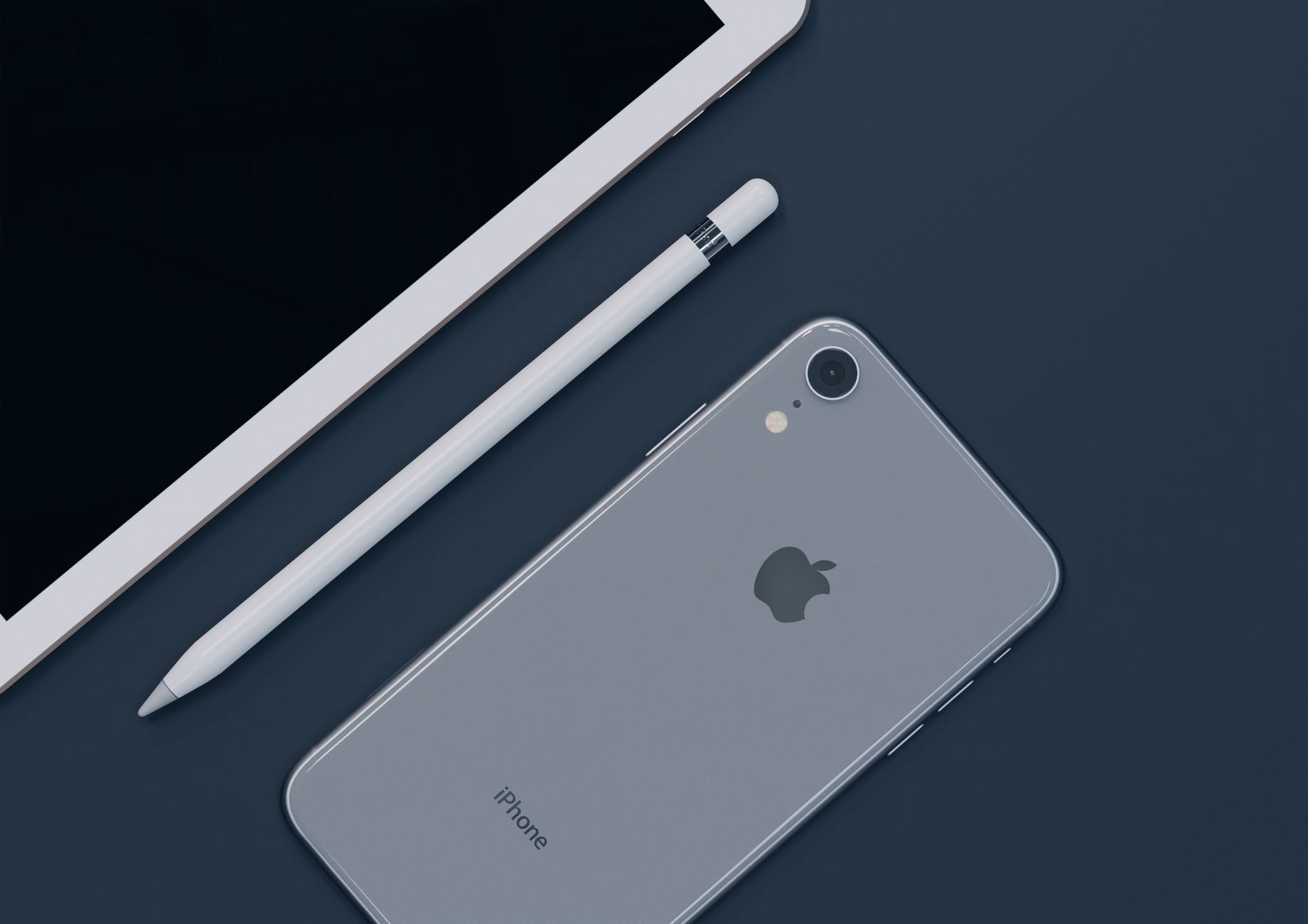
Apple Pencil design changes have sparked significant discussion among tech enthusiasts. A recent report reveals why Apple decided to scrap its shorter version intended for the iPhone Duo, shedding light on the company’s product strategy.
Overview of Apple Pencil Changes
The recent design changes to the Apple Pencil have sparked considerable debate among users and critics alike. Apple’s decision to scrap its shorter Apple Pencil, originally intended for the iPhone Duo, has left many wondering about the company’s direction and commitment to user experience.
Originally, the shorter version was designed to enhance portability and functionality, allowing users to seamlessly integrate the tool into their daily routines. However, Apple opted to abandon this design in favor of a more traditional approach that aligns with their existing product line. This shift has raised several concerns:
- Usability: Many users appreciated the concept of a compact Apple Pencil that could easily fit alongside the iPhone Duo, improving convenience.
- Innovation: Critics argue that the decision represents a lack of innovation, as Apple’s competitors continue to explore unique designs that cater to diverse user needs.
- User Feedback: Some fans of the Apple ecosystem feel that their voices were not considered in the decision-making process, leading to disappointment.
As Apple continues to evolve its product offerings, the design changes to the Apple Pencil have led to questions about the future of stylus technology within the brand. While the current model remains functional, the missed opportunity for a more user-friendly design raises doubts about Apple’s approach to meeting consumer demands.
Reasons Behind the Design Scrapping
Recent reports have shed light on the reasons behind the controversial decision to scrap the shorter Apple Pencil designed specifically for the iPhone Duo. Several factors contributed to this outcome, raising questions about the future of stylus accessories within Apple’s ecosystem.
- User Feedback: Many users expressed dissatisfaction with the shorter design, citing that it felt less ergonomic and harder to control during use. Feedback indicated that the overall experience did not meet Apple’s usual high standards.
- Compatibility Issues: The design changes for the Apple Pencil were found to be incompatible with existing iPhone models. This lack of universality could have limited its market appeal and hindered sales.
- Market Research: Apple conducted extensive market research and discovered that a significant portion of users preferred the traditional Apple Pencil design. This feedback led them to reconsider the direction of their stylus products.
- Focus on Innovation: Instead of introducing a new design that could potentially confuse customers, Apple chose to invest in improving their existing products. This decision aligns with their commitment to delivering innovative technology without compromising quality.
Ultimately, the decision to scrap the shorter Apple Pencil reflects Apple’s prioritization of user experience and product effectiveness over merely expanding their accessory lineup.
User Reactions to Apple Pencil Changes
User reactions to the recent Apple Pencil design changes have been overwhelmingly negative, with many users expressing their dissatisfaction across various platforms. The decision to scrap the shorter Apple Pencil designed for the iPhone Duo has left a significant portion of the user base frustrated and confused.
Many users feel that the new design does not cater to their needs, particularly those who have become accustomed to the original Apple Pencil’s functionality and size. A survey conducted on social media revealed several key concerns:
- Loss of Portability: Users appreciated the compact size of the proposed Apple Pencil, which would have made it easier to carry alongside their devices.
- Compatibility Issues: Shifting designs has raised questions about compatibility with existing accessories, leaving many feeling uncertain about future purchases.
- Functionality Concerns: Some users argue that the new design changes do not enhance the experience and may even hinder usability for artists and professionals who rely on precision.
In several online forums, users have voiced their disappointment, stating that the Apple Pencil design changes appear to prioritize aesthetics over functionality. This sentiment has sparked debates among tech enthusiasts, with many calling it one of Apple’s worst decisions in recent memory.
Comparing Apple Pencil Versions
In the evolution of the Apple Pencil, several design iterations have been introduced, each aiming to enhance user experience and functionality. The original Apple Pencil, launched alongside the iPad Pro, featured a sleek, elongated design that provided a comfortable grip and precise control for artists and note-takers alike. However, subsequent models have sparked debate among users regarding the practicality of certain design changes.
The most notable shift was the introduction of the Apple Pencil 2, which boasted a more refined design with a flat edge for magnetic attachment and wireless charging. While many appreciated the convenience of these features, others argued that the modifications compromised the original aesthetics and balance of the device.
Recently, reports indicated that Apple scrapped a shorter Apple Pencil designed for the iPhone Duo, further igniting discussions about the company’s design philosophy. Users have expressed concerns that these Apple Pencil design changes prioritize style over substance, leading to discomfort during extended use.
As Apple continues to innovate, the challenge remains to balance functionality with user preferences. Feedback from the community suggests that many long for a return to a more ergonomic design that aligns with the original Apple Pencil. Ultimately, the future of the Apple Pencil will depend on Apple’s ability to integrate user insights while maintaining its signature style.
Future of Apple Pencil for iPhone
The future of the Apple Pencil for iPhone remains uncertain following the recent design changes that have sparked widespread debate among users and industry experts alike. Apple’s decision to scrap its shorter Apple Pencil designed specifically for the iPhone Duo has raised several questions about its commitment to enhancing user experience across all devices.
Many are left wondering what this means for future iterations of the Apple Pencil. As technology continues to evolve, the demand for versatile and portable accessories increases. The design changes aim to streamline usability, but critics argue that the decision to eliminate the shorter model may alienate a significant segment of the user base who prefer compact tools for mobile devices.
Furthermore, the absence of a design change tailored for the iPhone could lead to missed opportunities in creative applications, particularly for artists and note-takers who rely on the Apple Pencil’s precise functionality.
As Apple navigates this transition, users are eager to see how the company will address these design changes moving forward. Will we witness a return to the drawing board, or will Apple double down on its current strategy? Only time will tell if the decision to modify the Apple Pencil design will ultimately benefit or hinder its loyal users.
- Potential for future models to incorporate user feedback
- Impact on the creative community
- Adaptation to emerging mobile technology trends
Conclusion on Apple’s Design Decisions
In conclusion, Apple’s decision to alter the design of the Apple Pencil has sparked significant debate among users and critics alike. While the intention behind these design changes may have been to enhance functionality and adaptability, the overall reception has been largely negative. Many users feel that the streamlined approach compromises the user experience, particularly for those who valued the previous designs tailored for different devices.
The scrapping of the shorter Apple Pencil, initially designed for the iPhone Duo, has been deemed one of the worst decisions by Apple according to various reports. This move has drawn criticism, especially since many believed that a compact version would have broadened the appeal of the Apple Pencil to a wider audience. Users who rely on the stylus for precision tasks were left disappointed by the lack of options that fit different device sizes.
As we evaluate the Apple Pencil design changes, it is evident that Apple must reconsider its approach to product design. Listening to user feedback can lead to more innovative solutions that meet the diverse needs of its customer base. The future of the Apple Pencil hinges on the company’s ability to balance creative design with practical functionality, ensuring that it remains an indispensable tool for creatives and professionals alike.
The Apple Pencil design changes have sparked intense debate among users and critics alike. Many believe that these Apple Pencil design changes detract from the overall user experience, making it harder to achieve precision in creative tasks.
Photo by Nana Dua on Pexels