
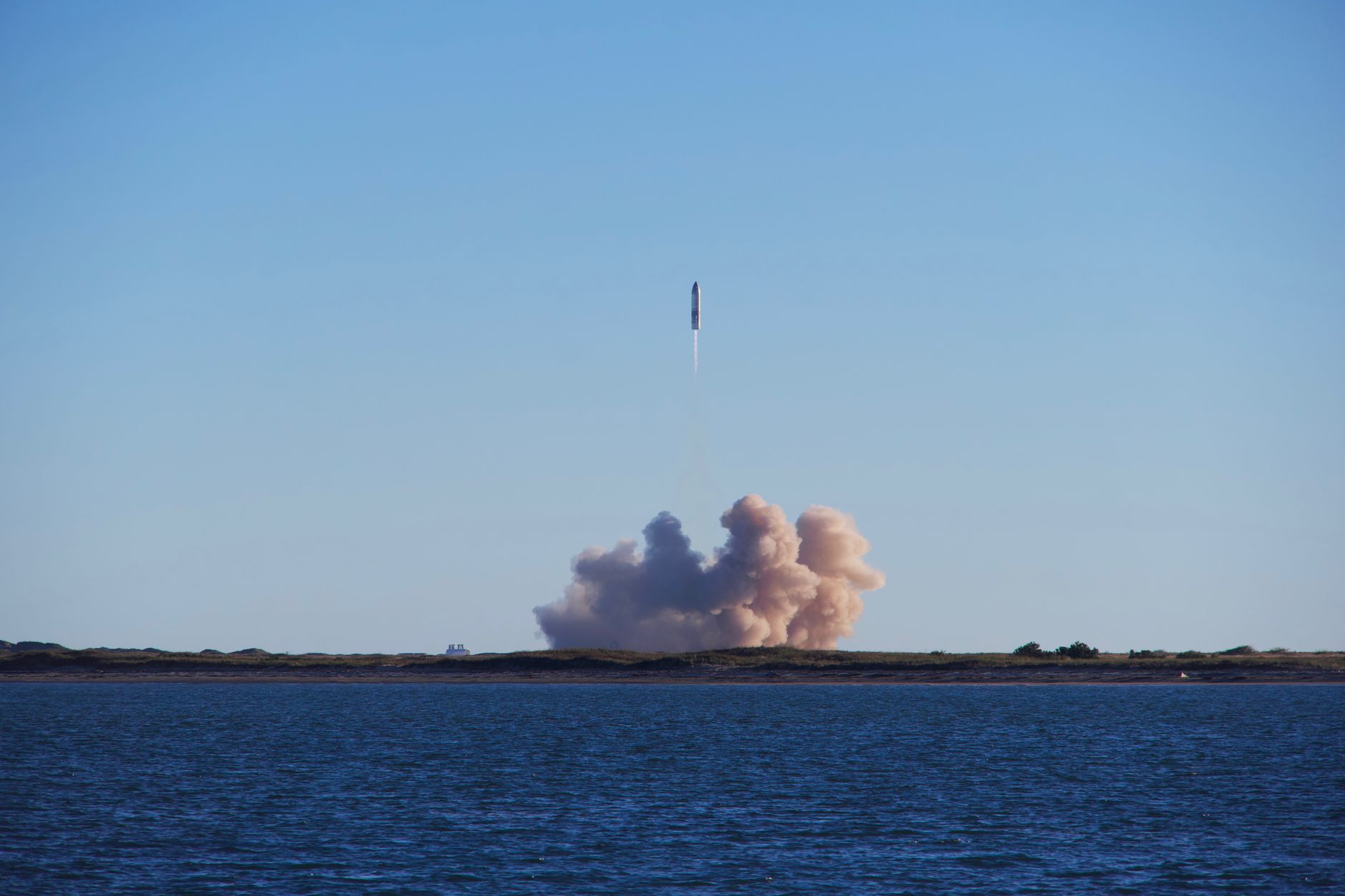
United Launch Alliance failure has resulted in the loss of its Vulcan rocket along with 40 Amazon Leo internet satellites. This incident marks a significant setback for the aerospace company.
Overview of the Launch Mishap
The recent launch mishap involving the United Launch Alliance has raised significant concerns within the aerospace community. During a scheduled flight, the company experienced a catastrophic failure that resulted in the loss of its Vulcan rocket and 40 Amazon Leo internet satellites.
This incident marks a troubling moment for United Launch Alliance, a company that has long been regarded as a leader in the space launch industry. The Vulcan rocket, which was intended to serve as a key component in a new era of satellite internet services, was designed to carry a payload that could enhance global connectivity.
Witnesses reported seeing a series of malfunctions as the rocket ascended, leading to a dramatic and unexpected failure shortly after launch. The implications of this mishap are far-reaching, as it not only impacts Amazon’s plans for expanding its internet services but also raises questions about the reliability of the United Launch Alliance’s future missions.
As investigations begin, industry experts are eager to uncover the root causes of this United Launch Alliance failure. The outcome could influence regulatory measures and the future of satellite launches in the competitive space market.
Impact on Amazon Leo Satellite Program
The recent failure of the United Launch Alliance has sent shockwaves through the aerospace community, particularly impacting Amazon’s Low Earth Orbit (Leo) satellite program. The launch mishap has resulted in the loss of 40 satellites that were integral to Amazon’s efforts to expand its internet service coverage.
Amazon’s Leo project aimed to provide high-speed internet access to underserved regions, with the satellites designed to enhance connectivity across the globe. The setback from the United Launch Alliance failure complicates these plans, leading to potential delays in service deployment.
Industry experts highlight several significant implications:
- Financial Loss: The loss of the satellites is expected to result in substantial financial repercussions for Amazon, which has invested heavily in the project.
- Regulatory Challenges: With timelines now disrupted, Amazon may face increased scrutiny from regulatory bodies as it attempts to recalibrate its satellite deployment schedule.
- Market Competition: Competitors may seize this opportunity to advance their own projects, potentially offering better service to customers during Amazon’s recovery period.
As the situation unfolds, stakeholders are closely monitoring the next steps for both United Launch Alliance and Amazon’s satellite ambitions.
Details of the Vulcan Rocket
The recent United Launch Alliance failure has raised significant concerns regarding the reliability of the Vulcan rocket, which was designed to support various satellite operations, including the deployment of Amazon’s Leo internet satellites. The Vulcan rocket, touted for its advanced capabilities, was intended to be a game-changer in the aerospace industry.
Here are key details about the Vulcan rocket:
- Engine Design: The Vulcan rocket utilizes the BE-4 engines, developed by Blue Origin, which are designed to provide enhanced power and efficiency.
- Payload Capacity: It is capable of carrying substantial payloads into orbit, making it suitable for both government and commercial missions.
- Launch Reliability: Prior to this launch mishap, ULA had a strong track record, which adds to the shock surrounding the United Launch Alliance failure.
- Future Missions: ULA planned to use the Vulcan rocket for multiple upcoming missions, including those for national security and commercial clients.
This incident not only impacts ULA’s reputation but also raises questions about future launches and the overall stability of satellite deployment programs such as Amazon’s.
Reactions from Industry Experts
In the wake of the United Launch Alliance failure, industry experts have expressed their concerns regarding the implications for future space missions and the reliability of commercial launch services. Many believe this incident could serve as a significant setback for ULA, particularly in light of its ambitious plans for the Vulcan rocket.
- Dr. Emily Chen, a prominent aerospace engineer, commented, “This mishap highlights the inherent risks in launching complex systems. The industry must prioritize safety and reliability to regain confidence.”
- Mark Johnson, a former NASA official, noted, “The loss of 40 Amazon Leo satellites is a serious blow. It raises questions about ULA’s capability to meet client expectations, especially in a competitive market.”
- Sara Patel, a space policy analyst, emphasized, “As we move towards a new era of satellite constellations, the United Launch Alliance failure may prompt a reevaluation of risk management strategies across the sector.”
Overall, the responses from experts indicate a consensus that the United Launch Alliance failure could have lasting effects, not only on ULA’s reputation but also on the broader landscape of commercial space launches.
Future of United Launch Alliance
The recent United Launch Alliance failure has raised significant concerns about the future trajectory of the company and its ambitious projects. With the loss of the Vulcan rocket, along with 40 Amazon Leo internet satellites, the implications of this mishap extend beyond immediate financial losses.
Industry analysts are now questioning the viability of ULA’s future launches and contracts. Some key areas of focus include:
- Revamping Rocket Technology: ULA may need to accelerate its development of next-generation technologies to regain confidence among clients and investors.
- Competitive Landscape: The failure could provide an opportunity for competitors like SpaceX to capture more market share, as customers may seek reliability in launch services.
- Regulatory Scrutiny: Increased scrutiny from regulatory bodies is likely, which could delay future missions and add to operational costs.
- Potential Partnerships: ULA may explore partnerships or collaborations with other aerospace companies to bolster its capabilities and improve reliability.
As ULA navigates the aftermath of this setback, the focus will be on mitigating risks and restoring trust in their launch systems. The future landscape for United Launch Alliance will heavily depend on how effectively they respond to this unprecedented failure.
Safety Measures in Rocket Launches
In the wake of the United Launch Alliance failure, safety measures in rocket launches have come under increased scrutiny. The loss of the Vulcan rocket and its payload of 40 Amazon Leo internet satellites highlights the critical importance of rigorous safety protocols in the aerospace industry.
To mitigate risks during launches, aerospace companies implement several essential safety measures:
- Detailed Pre-Launch Checklists: Every mission begins with extensive checklists to ensure all systems are functioning correctly. This includes verifying the integrity of the rocket’s components and the readiness of the launch pad.
- Redundant Systems: Rockets are designed with backup systems to take over in case of a failure. These redundancies are crucial for maintaining control during critical phases of the launch.
- Real-Time Monitoring: During launches, teams monitor the rocket’s performance in real-time, allowing for immediate responses to any anomalies detected.
- Post-Launch Analysis: Following a launch, a comprehensive analysis is conducted to learn from any mishaps, ensuring that future launches benefit from the insights gained.
The United Launch Alliance failure serves as a stark reminder of the complexities involved in space exploration and the ever-evolving nature of safety protocols.
Lessons Learned from This Incident
The recent United Launch Alliance failure has brought to light several critical lessons that can enhance future missions. This incident serves as a stark reminder of the inherent risks involved in space launches and the importance of rigorous testing and validation processes.
- Enhanced Testing Protocols: One of the primary lessons is the necessity for more comprehensive pre-launch testing. Implementing stricter testing protocols can help identify potential issues before they escalate during an actual launch.
- Collaboration and Communication: Improved collaboration between teams can lead to better communication of findings and potential risks. This incident highlights the need for transparency in sharing data and insights across departments.
- Investing in Technology: The ULA must prioritize investment in cutting-edge technology to improve rocket reliability. Upgrading existing systems and adopting innovative solutions can mitigate risks associated with future launches.
- Revamping Safety Standards: A thorough review and enhancement of safety standards within the industry will ensure that lessons from the United Launch Alliance failure are not overlooked. These measures could significantly reduce the chances of similar mishaps in the future.
By applying these lessons, the aerospace industry can work towards safer and more reliable space missions.
Photo by Forest Katsch on Pexels
Sources
Related reading
Best Oppo Smartphones: Proven Picks for 2026 · Indian Startup Funding: Best Proven Strategies for Growth · AWS SGLang-Neuron: The Best Tool for AI Model Deployment