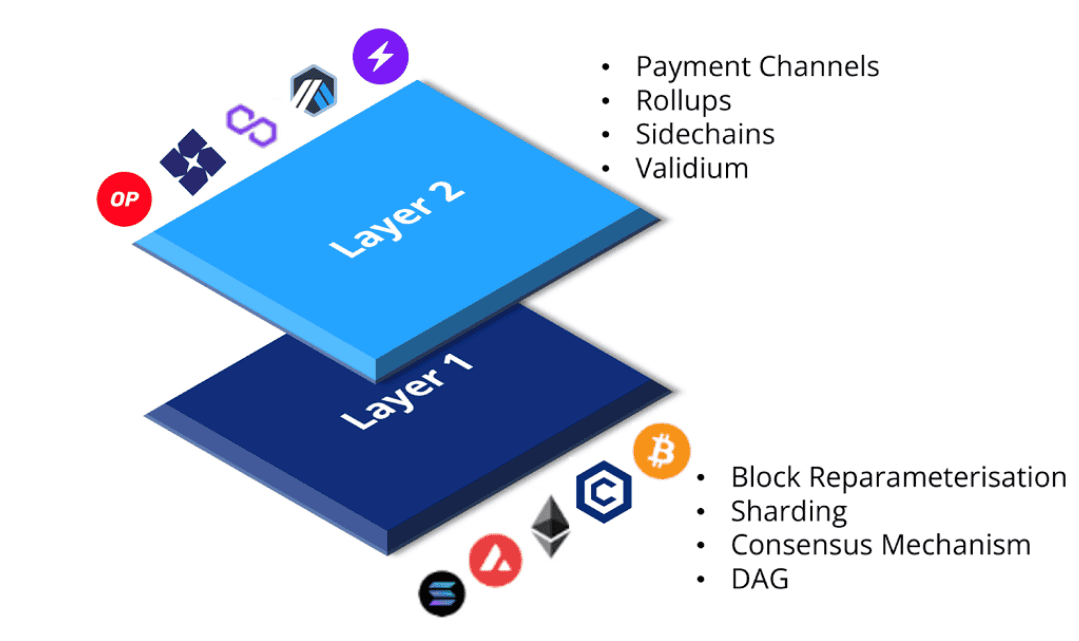
Layer 2 blockchains suit everyday usage through user-friendly interfaces, instant transaction confirmations, and minimal fees that make blockchain technology accessible to mainstream audiences. These networks eliminate technical barriers that previously prevented ordinary users from adopting blockchain applications. shiba inu black themed tokens demonstrate how Layer 2 platforms enable casual users to participate in crypto markets without complex technical knowledge.
User experience improvements
Layer 2 platforms provide intuitive user experiences that abstract technical complexity while maintaining blockchain benefits. Applications feel familiar to users accustomed to traditional mobile and web interfaces. Experience improvements include instant transaction feedback that eliminates waiting periods associated with main chain confirmations. Mobile-optimized interfaces work seamlessly across different devices and screen sizes. One-click transaction approvals reduce friction compared to complex multi-step processes. Error handling provides clear guidance when transactions encounter issues. Account recovery mechanisms help users regain access without losing funds.
Speed optimization results
Transaction processing speeds on Layer 2 networks enable real-time interactions that support everyday usage patterns. Users expect immediate responses from applications, which Layer 2 solutions deliver consistently. Speed optimization achieves sub-second transaction confirmations that enable interactive applications. Batch processing handles multiple operations simultaneously without individual delays. Parallel transaction execution prevents network congestion during peak usage periods. Predictable confirmation times enable reliable application performance. Instant settlement reduces counterparty risks in commercial transactions.
Cost efficiency benefits
Layer 2 blockchains provide cost-efficient transaction processing that makes everyday usage economically viable for regular users. Microtransactions become practical when fees remain minimal regardless of transaction size. Users interacting with themed tokens execute trades and transfers without prohibitive costs. Cost efficiency manifests through several mechanisms:
- Transaction aggregation spreads network costs across multiple users simultaneously
- Optimized consensus mechanisms require less computational power and energy consumption
- Bulk processing reduces per-transaction overhead through economies of scale
- Competition between Layer 2 providers drives fees toward marginal costs
- Economic incentives align operator profits with user cost reduction
These cost advantages make blockchain applications competitive with traditional payment systems and financial services for everyday transactions and commercial activities.
Mainstream application integration
Layer 2 blockchains integrate seamlessly with mainstream applications, including social media, gaming, and e-commerce platforms. This integration brings blockchain functionality to existing user bases without requiring separate applications. Integration strategies include API development that enables traditional applications to incorporate blockchain features. Payment gateway compatibility allows e-commerce sites to accept crypto payments easily. Gaming integration enables in-game asset ownership and trading without complex wallet management. Social media plugins facilitate token tipping and content monetization. Enterprise integration provides blockchain audit trails for business processes.
Educational barrier reduction
Layer 2 platforms reduce educational barriers by simplifying blockchain concepts and providing intuitive interfaces that don’t require technical expertise. New users can participate immediately without extensive learning curves. Barrier reduction includes guided onboarding processes that explain features gradually without overwhelming information. Visual interfaces eliminate command-line interactions that intimidate non-technical users. Help systems provide contextual assistance when users encounter unfamiliar concepts. Community support networks help in an accessible language. Tutorial content teaches practical skills without requiring theoretical blockchain knowledge. These factors combine to create an accessible blockchain infrastructure that serves ordinary users effectively without requiring specialised expertise or significant financial resources.