
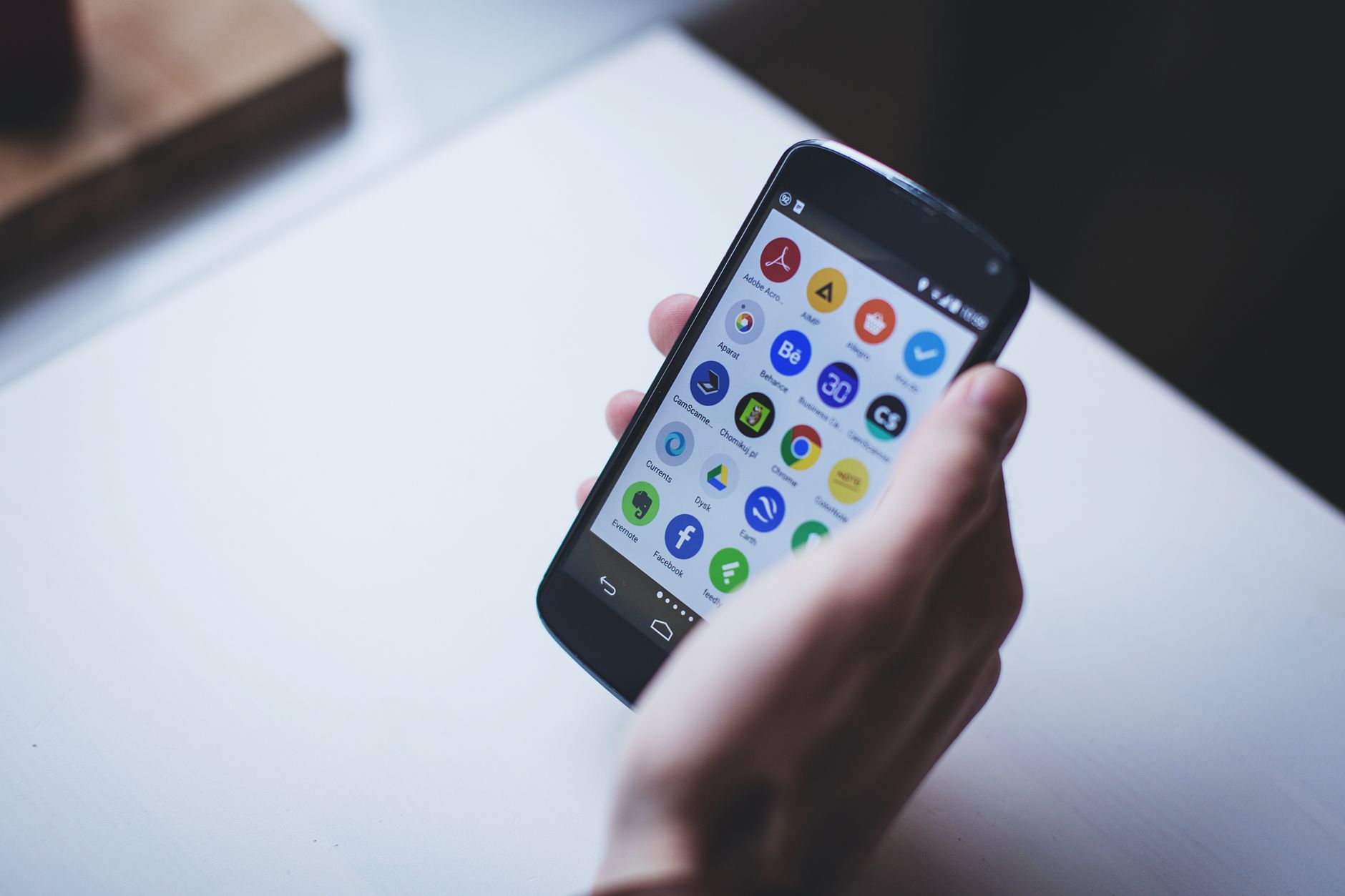
Android sideloading rules are evolving as Google rolls out new guidelines in the US. This shift aims to enhance user safety and app accessibility.
What Are the New Android Sideloading Rules?
In recent developments, Google has introduced new Android sideloading rules aimed at enhancing user security while providing more flexibility in app installation. These rules are part of a broader initiative to ensure that users have the option to install apps from sources outside the official Google Play Store, a process known as sideloading. This change comes amid increasing scrutiny regarding app distribution and user privacy.
Some key aspects of the new sideloading rules include:
- Enhanced Security Measures: Users will be required to verify the integrity of apps before installation from third-party sources.
- Transparency Requirements: Developers must disclose how their apps handle user data, ensuring users are informed about potential privacy risks.
- Controlled Access: Users will have the option to enable or disable sideloading capabilities on their devices, giving them more control over their app installation.
While these Android sideloading rules aim to protect users, they also raise questions about the balance between security and user autonomy in the rapidly evolving digital landscape.
How Do Android Sideloading Rules Affect Users?
The recent implementation of Android sideloading rules has generated considerable debate among users and developers alike. These regulations aim to enhance user security while also ensuring a controlled app ecosystem.
For users, one of the most significant impacts of these rules is the balance between security and freedom. On one hand, the restrictions are designed to protect users from malicious software that can be introduced through sideloaded applications. On the other hand, some users feel that these rules limit their ability to install apps from third-party sources, which can provide more options and customization.
Furthermore, users may experience:
- Increased Security: With stricter guidelines, the risk of downloading harmful applications is reduced.
- Limited Choices: Users may find fewer options for apps that are not available on the Google Play Store.
- Potential Learning Curve: Users unfamiliar with sideloading may encounter challenges navigating the new rules.
Ultimately, while the Android sideloading rules aim to protect users, the effectiveness and user acceptance of these measures remain to be fully seen.
Benefits of the New Android Sideloading Rules
The recent changes in Android sideloading rules have sparked considerable discussion among users and developers alike. These new regulations are designed to enhance user experience and provide greater flexibility in app installation.
Some of the key benefits include:
- Increased Choice: Users can now install apps from third-party sources, allowing them to explore a wider range of applications beyond the official Google Play Store.
- Enhanced Privacy: With the ability to sideload apps, users can choose applications that prioritize their privacy and data security over those that may not meet stringent standards.
- Access to Innovative Apps: Developers can now introduce unique and innovative apps without the lengthy approval processes traditionally associated with app stores.
- Better Control: Users have more control over their devices, enabling them to customize their Android experience according to their preferences.
While the Android sideloading rules may introduce new risks, the benefits they offer can significantly enhance user autonomy and app diversity in the Android ecosystem.
Expert Opinions on Google’s Sideloading Changes
Experts have weighed in on the recent changes to Android sideloading rules, expressing a range of opinions on their implications for users. Some analysts argue that these new regulations could enhance user safety by ensuring that apps are vetted before installation. Dr. Emily Chen, a tech policy researcher, stated, “The updated sideloading rules provide a necessary layer of protection against malicious software, which can compromise user data.”
Conversely, others worry that increased restrictions may stifle innovation and limit user choice. Mark Robinson, a mobile technology consultant, noted, “While security is important, overly stringent sideloading rules could prevent users from accessing valuable apps that may not meet Google’s criteria.”
Additionally, some developers have expressed concerns that the new rules could hinder their ability to distribute applications directly to users. “The flexibility of sideloading has been a hallmark of Android’s appeal,” said Sarah Patel, an app developer. “We must find a balance that protects users without compromising the ecosystem’s vibrancy.”
As the debate continues, it remains to be seen how these Android sideloading rules will shape the future of app distribution on the platform.
Photo by freestocks.org on Pexels
Where this came from
Godzilla Minus Zero trailer: The Best Tease of New Threats · Is the Psychological Horror Game Trainwatch Worth Playing? · Vivo Y600s Pro: Best Battery Life with Proven Features