
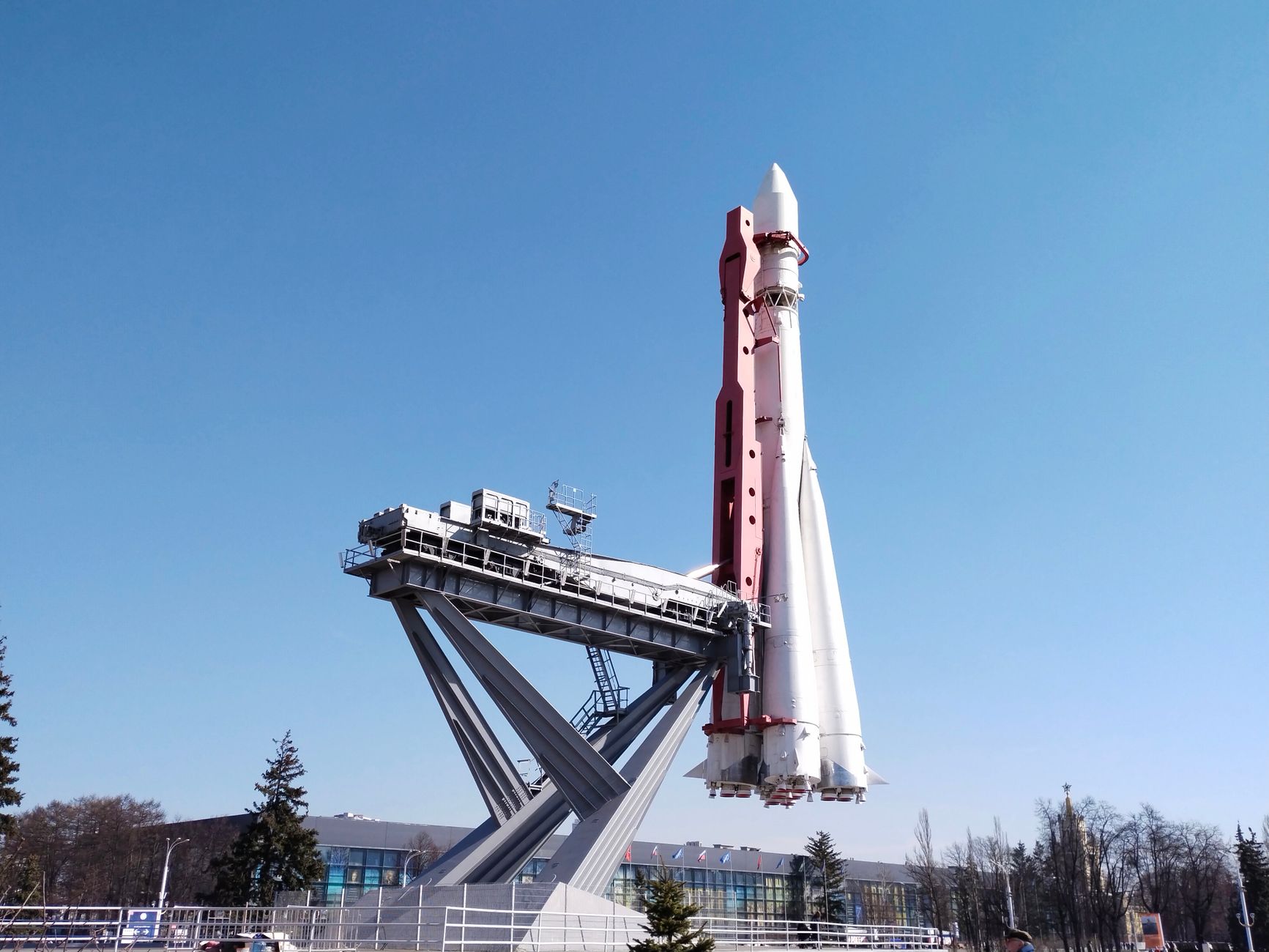
Russia Progress 96 launch successfully delivered 3 tons of cargo to the International Space Station. This mission highlights ongoing advancements in space logistics.
Overview of the Progress 96 Mission
The recent Russia Progress 96 launch marks a significant milestone in cargo missions to the International Space Station (ISS). On its journey, Progress 96 delivered approximately 3 tons of essential supplies, including food, equipment, and scientific experiments, vital for sustaining the crew aboard the ISS.
This mission stands out due to its advanced technology and enhanced reliability, showcasing Russia’s commitment to maintaining its role in international space endeavors. The spacecraft, which successfully docked with the ISS, is equipped with improved systems that streamline operations and ensure safety during transport.
As the space community reflects on the Progress 96 mission, many experts are evaluating its potential as one of the best cargo missions yet, given its robust payload and successful execution.
What Cargo Did Progress 96 Deliver?
The Progress 96 cargo spacecraft embarked on its mission delivering an impressive array of supplies to the International Space Station (ISS). This launch, noted for its efficiency, carried approximately 3 tons of essential cargo.
Among the critical items transported were:
- Food supplies for the astronauts, ensuring they maintain their nutrition while in space.
- Scientific equipment for ongoing research projects, contributing to advancements in various fields.
- Spare parts for station maintenance, crucial for the longevity of the ISS.
- Fuel for the station’s thrusters, necessary for orbital adjustments.
This well-planned cargo shipment highlights the significance of the Progress 96 launch in supporting the continuous operation and research activities aboard the ISS.
Significance of the Russia Progress 96 Launch
The Russia Progress 96 launch holds significant importance in the realm of space exploration and international cooperation. This mission not only delivers essential supplies to the International Space Station (ISS) but also showcases advancements in cargo spacecraft technology. With a payload of approximately three tons, Progress 96 contributes to the ongoing scientific research and daily operations aboard the ISS.
Furthermore, the successful launch highlights Russia’s commitment to maintaining its role in the space industry, despite increasing competition from private companies and other nations. The mission reinforces the collaborative spirit among space-faring nations, as the ISS serves as a platform for joint research and innovation.
As we look to the future, the achievements of the Progress 96 mission may set a precedent for subsequent cargo launches, paving the way for even greater advancements in space logistics.
How Does Progress 96 Compare to Previous Missions?
The Russia Progress 96 launch marks a significant step forward in the series of cargo missions to the International Space Station (ISS). Unlike its predecessors, Progress 96 delivered approximately 3 tons of supplies, including food, equipment, and scientific experiments, enhancing the station’s operational capacity.
When compared to earlier missions, Progress 96 stands out due to its improved reliability and efficiency. Previous missions faced challenges such as delays and technical malfunctions. In contrast, Progress 96’s launch went smoothly, showcasing advancements in Russian spaceflight technology.
Moreover, the payload delivered by Progress 96 includes not only essential supplies but also cutting-edge research materials, which could lead to significant scientific breakthroughs. This cargo mission is being hailed by experts as one of the most successful in recent years, raising the bar for future launches in the Progress series.
Future Plans for Russian Space Missions
As the space community closely monitors the outcomes of the Russia Progress 96 launch, future plans for Russian space missions are beginning to take shape. The success of this mission could pave the way for more advanced cargo spacecraft, enhancing the efficiency and reliability of supply runs to the International Space Station (ISS).
Upcoming missions may include:
- Progress 97: Expected to launch within the next few months, aiming to deliver additional scientific equipment.
- New Crew Missions: Enhanced crewed missions are in the pipeline, focusing on longer stays aboard the ISS.
- Partnerships with Private Companies: Collaboration with commercial entities to develop innovative cargo solutions.
With the advancements seen in the Russia Progress 96 launch, these plans could significantly enhance Russia’s role in international space exploration.
Technological Advances in Cargo Delivery
The Russia Progress 96 launch has showcased several technological advances that enhance cargo delivery to the International Space Station (ISS). This mission has incorporated improved automation systems, allowing for more efficient docking procedures without extensive human intervention.
Additionally, the payload management systems have seen upgrades, ensuring that cargo is delivered safely and with minimal risk of damage. The integration of advanced thermal protection technologies also means that sensitive materials can be transported securely, which is crucial for scientific experiments conducted in space.
Moreover, the use of enhanced propulsion systems has led to increased maneuverability, enabling quicker adjustments to orbit as needed. As the space industry evolves, such innovations in missions like Progress 96 set a new benchmark for future cargo deliveries, highlighting Russia’s commitment to advancing its space capabilities.
Challenges Faced in Space Launches
Space launches are fraught with numerous challenges that can impact the success of missions like the Russia Progress 96 launch. Among the most significant hurdles faced are:
- Technical Malfunctions: Any failure in rocket components can lead to mission delays or even catastrophic failures.
- Weather Conditions: Unfavorable weather can postpone launches, jeopardizing timely delivery of supplies to the International Space Station.
- Budget Constraints: Financial limitations can hinder research and development, affecting the overall reliability of launch vehicles.
- International Regulations: Compliance with global space treaties and regulations can complicate mission planning and execution.
Despite these challenges, the Russia Progress 96 launch has demonstrated resilience and adaptability, paving the way for future advancements in space logistics.
Video Highlights of the Launch Event
The recent launch of the Russia Progress 96 spacecraft has captivated audiences around the globe, with video highlights showcasing its successful ascent into orbit. Viewers can witness the precision of the launch, as the rocket ignites and lifts off from the Baikonur Cosmodrome, carrying approximately 3 tons of vital supplies to the International Space Station.
Among the most exciting moments captured in the footage are:
- The ignition of the rocket engines, creating a spectacular plume of fire and smoke.
- The smooth ascent through the atmosphere, marking the start of a crucial mission.
- The separation of the first stage boosters, demonstrating the engineering excellence behind the Progress 96 launch.
This event not only highlights the advancements in Russian space missions but also reinforces the importance of maintaining a steady supply line to the ISS.
The Russia Progress 96 launch has garnered significant attention for its advanced technology and efficiency. Many experts believe that the Russia Progress 96 launch sets a new standard for future cargo missions to the International Space Station.
Photo by Алексей Антонов on Pexels